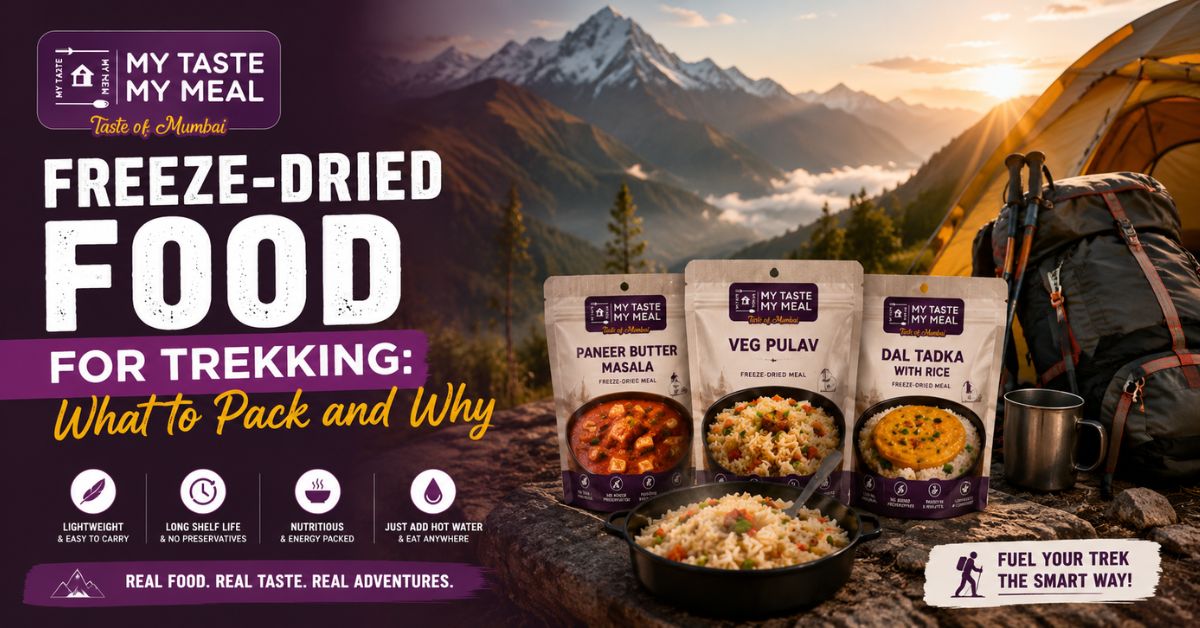
Freeze Dried Food for Trekking: What to Pack and Why
Anyone who has trekked in the Himalayas or the Western Ghats knows the feeling. You reach camp after eight hours on the trail; your legs are done, and you still need to cook dinner before it gets dark. This is exactly the problem that freeze-dried food for trekking was built to solve.
Trekking food has come a long way from instant noodles and biscuits. Today, hikers across India carry freeze-dried meals that rehydrate in minutes and weigh almost nothing in a backpack. Let's break it down and look at why this matters, how much food you actually need on a trek, and what to pack for your next trip to the mountains.
Why Trekking Food Needs a Different Approach
A day on the trail burns far more energy than a regular day at home or in the office. According to Indiahikes, one of India's largest trekking organisations, trekkers need to replace lost calories rather than simply eat as much as possible, and carbohydrate-rich food digests slowly enough to give steady energy through the day. Their team also points out that proteins take longer to digest at high altitude due to lower oxygen levels, so heavy protein-only meals are not ideal right before a climb.
This changes what a good hiking meal looks like. You want food that is calorie-dense, easy to digest, and quick to prepare once you reach camp. You also do not want to carry a stack of raw vegetables and grains up a mountain, since fresh food adds weight and spoils fast without refrigeration.
What Makes Freeze-Dried Meals a Good Fit for the Trail
Freeze drying removes almost all the water from a cooked meal while keeping its structure, taste, and most of its nutrients intact. The process leaves behind a light, dry pack that only needs hot water to turn back into a full meal.
The weight difference is the real story here. A meal that weighs close to a kilogram fresh can weigh under 200 grams once freeze-dried, since water makes up most of the original weight. For someone carrying everything on their back for four or five days, that difference adds up fast. This is also why camping food in India has shifted toward freeze-dried packs instead of tins or fresh produce for multi-day routes.
A few other reasons freeze-dried meals work well for trekking:
-
They do not need refrigeration, so they survive multi-day treks without spoiling.
-
They rehydrate in a few minutes with hot water, so you are not cooking from scratch at 10,000 feet.
-
They have a long shelf life, often up to a year when unopened, so you can pack them well in advance of a trip.
-
They produce very little waste on the trail compared to fresh ingredients, which matters on routes with strict leave-no-trace rules.
How Much Food You Actually Need on a Trek
Calorie needs on a trek depend on the terrain, altitude, and how many hours you are walking each day. As a rough guide, most people need noticeably more food than they would on a normal day, and the right approach is to plan meals around steady energy rather than heavy single servings.
A simple way to plan your trekking food for a multi-day route:
-
Pack one main hot meal for dinner, since your body needs the most recovery fuel after a full day of walking.
-
Add a lighter breakfast pack that is quick to prepare before an early start.
-
Carry dry fruits, nuts, or energy bars for snacking between meals on the trail.
-
Keep one or two extra meal packs in your bag in case of weather delays or an extra night on the mountain.
-
Drink enough water through the day, since dehydration makes altitude sickness worse and slows digestion.
What to Pack: Freeze-Dried Meal Options for a Trek
Indian trekkers now have a wide range of freeze-dried meals to choose from, and brands such as My Taste My Meal offer vegetarian and Jain options across several categories that suit a trekking bag well.
Breakfast packs work well for an early trail start. Options like Poha and Sambar Idli give you a familiar, filling start to the day without needing more than hot water.
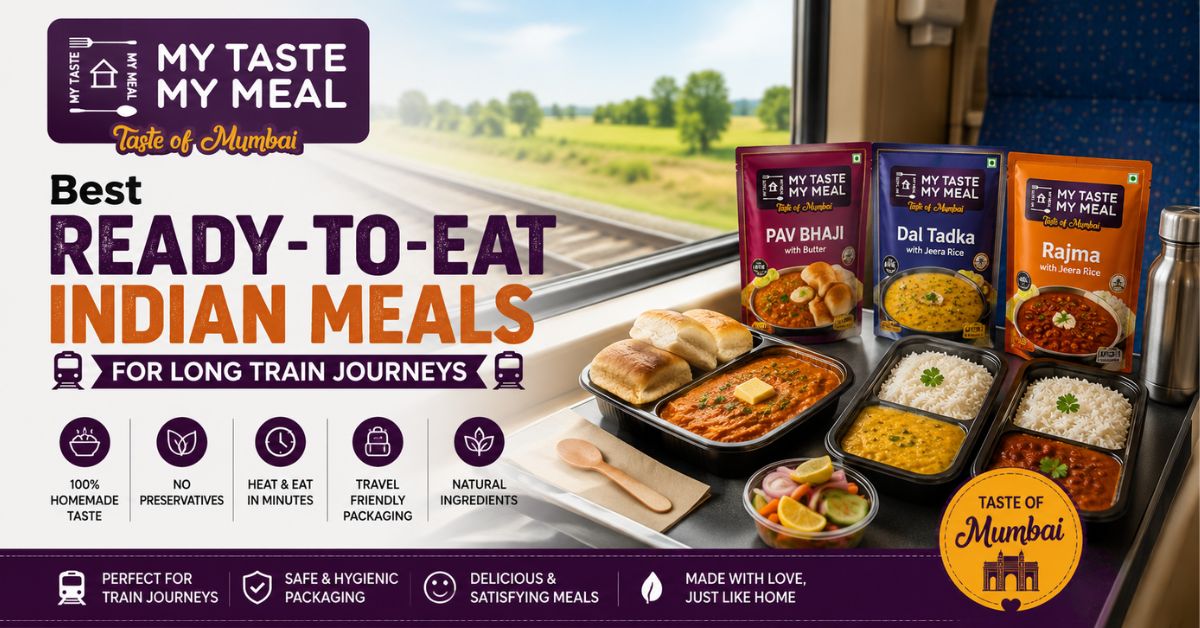
Main meal packs cover the bigger appetite you build up after hours of walking. Dishes like pav bhaji, veg Kolhapuri, veg handi, and rajma chawal are common picks for dinner at camp.
Dal packs, including Dal Makhani and other lentil-based options, pair well with rice packs to build a complete meal without carrying separate grains and lentils.
Soup packs, such as tomato soup and Manchow soup, are useful on cold evenings or at high-altitude camps where a hot, light starter helps before the main meal.
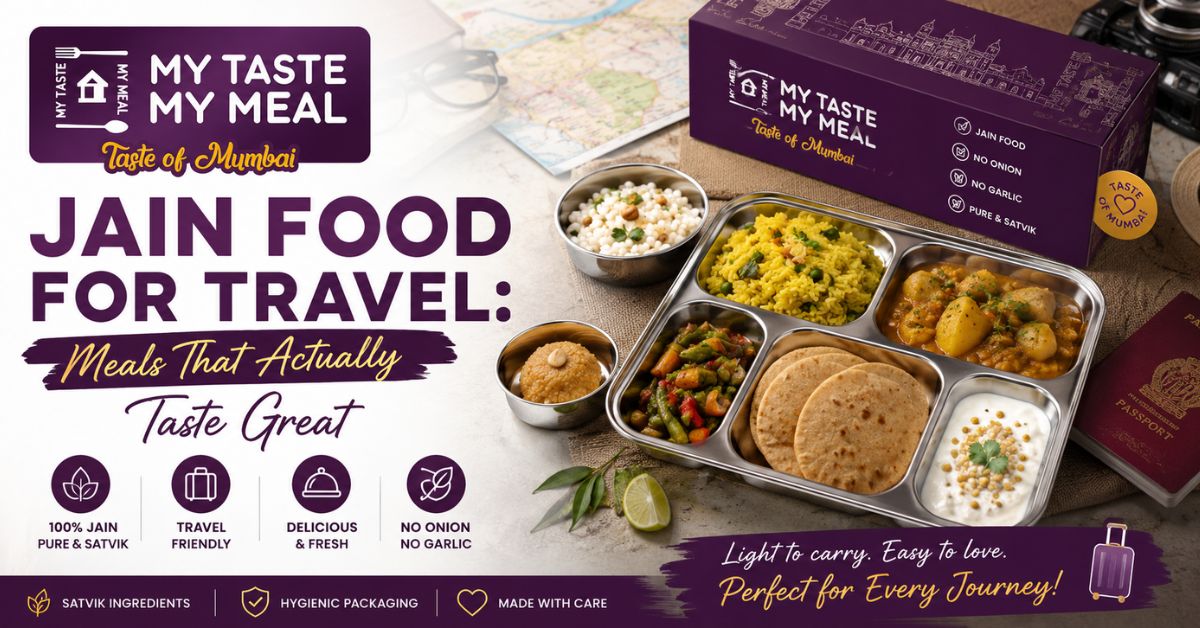
Jain meal options matter for trekkers who follow Jain dietary rules, since finding suitable food on remote routes can otherwise be difficult. Having Jain versions of dal, rice, and soup packs means no one on a group trek has to compromise.
This range means a trekker can plan breakfast, dinner, and a light soup for three or four days from a single set of backpacking meals, rather than carrying separate raw ingredients for each dish.
How to Prepare Freeze-Dried Meals Without a Kitchen
You will not have a full kitchen on a trek, so preparation needs to be simple.
Most freeze-dried meals follow the same basic steps:
-
Boil water on a portable stove or camp burner.
-
Empty the meal pack into a bowl or pan.
-
Pour in hot water as marked on the pack, usually around 190 to 200 ml.
-
Stir well and let it sit for a few minutes so the food rehydrates fully.
-
Eat directly from the pack or bowl, and pack out the empty wrapper with your trash.
This method needs no gas stove beyond something to boil water, no chopping, and almost no cleanup, which matters a lot at the end of a long trekking day.
Tips for Packing Lightweight Travel Food on a Trek
-
Choose a mix of meal types so you are not eating the same dish every night.
-
Repack meals into a dry bag or pouch to protect them from moisture and punctures inside your backpack.
-
Check the shelf life on each pack before a trip and pick ones that comfortably outlast your trekking days.
-
Carry a lightweight spoon and a collapsable bowl or mug, since campsites rarely have spare utensils.
-
Balance spice levels across your meals, especially for group treks where preferences vary widely.
Final Thoughts
Good trekking food comes down to weight, calories, and how quickly you can eat after a hard day on the trail. Freeze-dried meals solve all three problems at once, and that is why they have become a standard part of backpacking meals for Indian trekkers heading to the Himalayas, the Western Ghats, or anywhere else off the grid. Whether you pick your meals from My Taste My Meal or another maker of ready-to-eat food, the basic checklist stays the same: lightweight, real calories, and a hot meal you can make with just water.
Frequently Asked Questions
1. Is freeze-dried food good for trekking in the Himalayas?
Yes. Freeze-dried meals are light, do not need refrigeration, and rehydrate quickly with hot water, which makes them practical for multi-day Himalayan treks where carrying weight and cooking time both matter.
2. How long do freeze-dried trekking meals last without refrigeration?
Most sealed freeze-dried meal packs last up to 12 months when stored in a cool, dry place, so you can buy them well ahead of a trek without worrying about spoilage on the trail.
3. Do I need a stove to prepare freeze-dried meals while camping?
You need a way to boil water, such as a portable camp stove, but you do not need pots, pans, or chopping boards. Most meals are ready within five to ten minutes after adding hot water.
4. How many calories should I pack per day for a trek?
Calorie needs vary with terrain and altitude, but trekkers generally need noticeably more food than a normal day at home. Planning one hot main meal, a lighter breakfast, and trail snacks usually covers a full day of hiking.
5. Are Jain freeze-dried meals available for trekking?
Yes. Several brands offer Jain versions of dal, rice, and soup packs made without onion, garlic, or root vegetables, so trekkers who follow Jain dietary rules have proper hot meal options on the trail too.