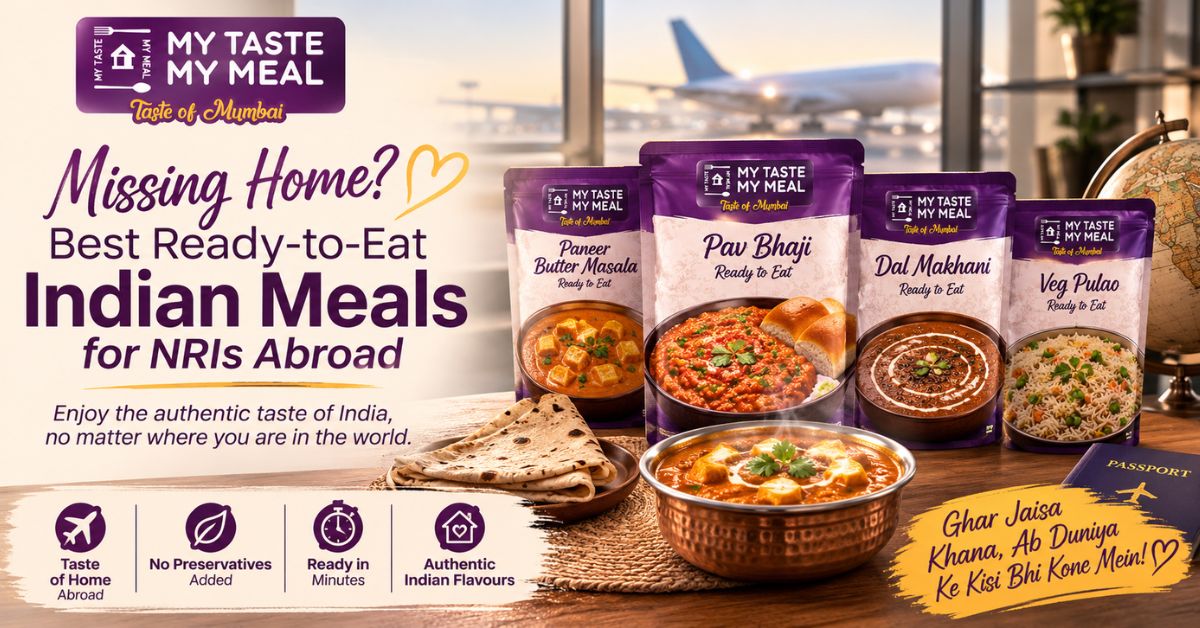
Missing Home? Best Ready-to-Eat Indian Meals for NRIs Abroad
Ask any Indian who has lived abroad for more than a few months, and food comes up fast. Not the fancy restaurant kind, but the everyday kind. Dal chawal on a rainy evening. Poha on a lazy Sunday morning. The smell of tadka hits a hot pan. When you move countries, that everyday comfort is often the hardest thing to recreate, which is why ready-to-eat Indian meals abroad have become such a practical answer for so many NRIs.
This piece looks at why Indian food abroad matters more than people expect, what actually makes a packaged meal worth trusting, and how to build a small pantry of home-style food wherever you are living now.
Why NRIs Abroad Miss Home-Cooked Indian Food
According to the Ministry of External Affairs, India's overseas population had grown to roughly 35 million people across more than 200 countries as of May 2024, made up of both NRIs and persons of Indian origin. That is a huge number of people cooking, or trying to cook, Indian food in kitchens that were never built for it.
A few reasons keep coming up when NRIs talk about missing home food:
-
Ingredients are not always available. Fresh curry leaves, certain dals, or specific masalas can be hard to find outside a handful of Indian grocery stores.
-
Cooking takes longer without practice. Many young professionals and students left home before they learnt to cook properly, so recreating a mother's recipe from memory is not simple.
-
Work schedules leave little time. Long hours plus a foreign time zone often mean there is no energy left to chop, grind, and simmer a full meal after work.
-
Food is tied to memory. A bowl of khichdi or a plate of misal is rarely just about hunger. It brings back a specific kitchen, a specific person, and a specific evening at home.
This is where Indian food for NRIs living in the US, UK, Canada, Gulf countries, or Australia has quietly become its own small industry, built around packaged meals that travel well and taste close to what people grew up eating.
What Makes a Meal "Shelf Stable" and Trustworthy
Not all packaged Indian food is created equal. Before adding anything to your overseas pantry, it helps to understand the two ideas that matter most here: shelf stability and ingredient honesty.
Shelf-stable Indian meals usually rely on one of these preservation methods:
-
Freeze-drying, where cooked food is frozen and then placed in a vacuum chamber so the ice turns directly into vapour. This removes most of the water content, which stops bacteria and mould from growing, without needing added preservatives.
-
Dehydration, a simpler drying process often used for grains and certain snacks.
-
Vacuum packing, which removes air from the pouch to slow down spoilage further.
The United States Department of Agriculture's Food Safety and Inspection Service notes that freeze-drying is a recognised commercial process used to preserve items such as soup mixes, fruits, and vegetables, and that the food needs to be rehydrated with water before eating. Done properly, this keeps a meal edible for months at room temperature without any refrigeration, which matters a lot if you are shipping food across borders or storing it in a small apartment.
Before buying, it helps to check for:
-
A clear "no added preservatives" claim, backed by an ingredient list you can actually read
-
FSSAI certification, which confirms the food meets Indian food safety standards
-
A stated shelf life, usually somewhere between six months and a year for freeze-dried meals
-
Simple preparation instructions, ideally requiring only hot water or a few minutes on a stove
Types of Ready-to-Eat Indian Meals Worth Stocking
A well-rounded pantry for someone living overseas usually covers more than one meal of the day. Here is how the common categories break down.
Breakfast Options
Mornings abroad move fast, so quick options like poha, upma, and idli sambar cover the gap between waking up and getting to work or class. Paper dosa varieties, available in flavours like plain, Mysore, and cheese, work well when you want something a little different from the usual cereal or toast.
Dal and Rice Combinations
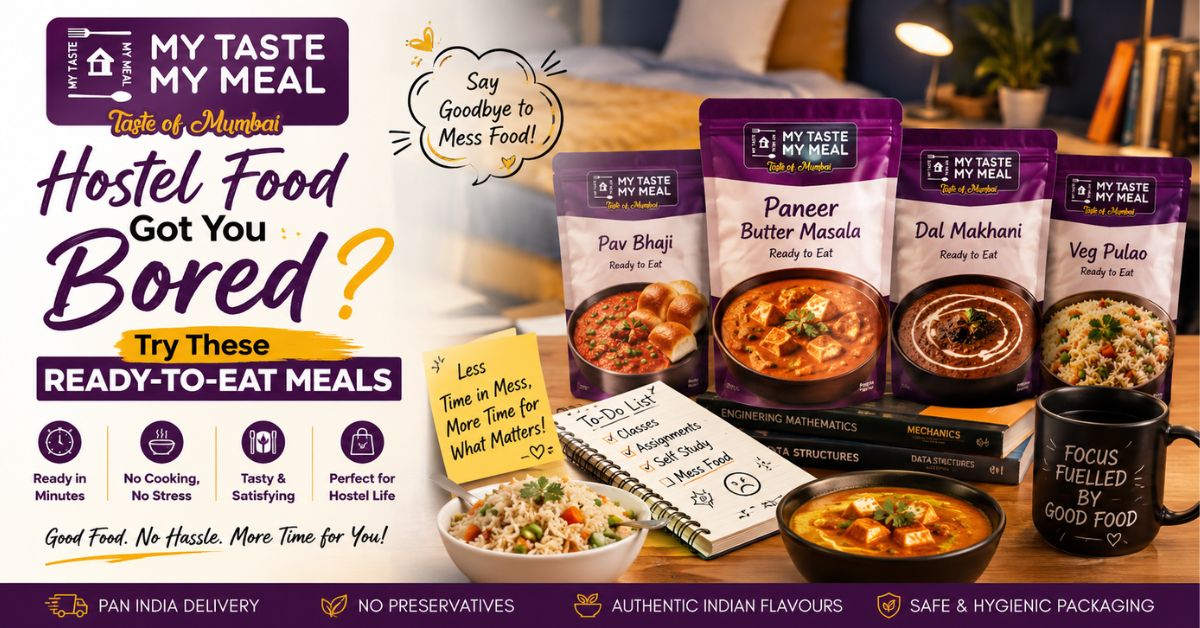
Dal khichadi, dal makhani, dal fry, rice, and Gujarati dal are the kinds of dishes that hold up well after preservation and still taste like a proper home meal once heated. Paired with rice options such as jeera rice, veg biryani, tawa pulav, or rajma rice, this combination covers lunch or dinner without much effort.
Full Meals and Curries
For a more filling plate, options like pav bhaji, Punjabi chole, paneer tikka, paneer bhurji, veg Kolhapuri, veg handi, and veg makhanwala bring in the kind of restaurant-style flavour that is harder to recreate from scratch on a weeknight.
Soups, Chutneys, and Extras
Tomato soup and other light options work well for cold evenings, while chutneys add the finishing touch that Indian food often needs. These smaller items are easy to overlook, but they make packaged meals feel less like an afterthought and more like an actual home spread.
Options for Jain Diets and Children
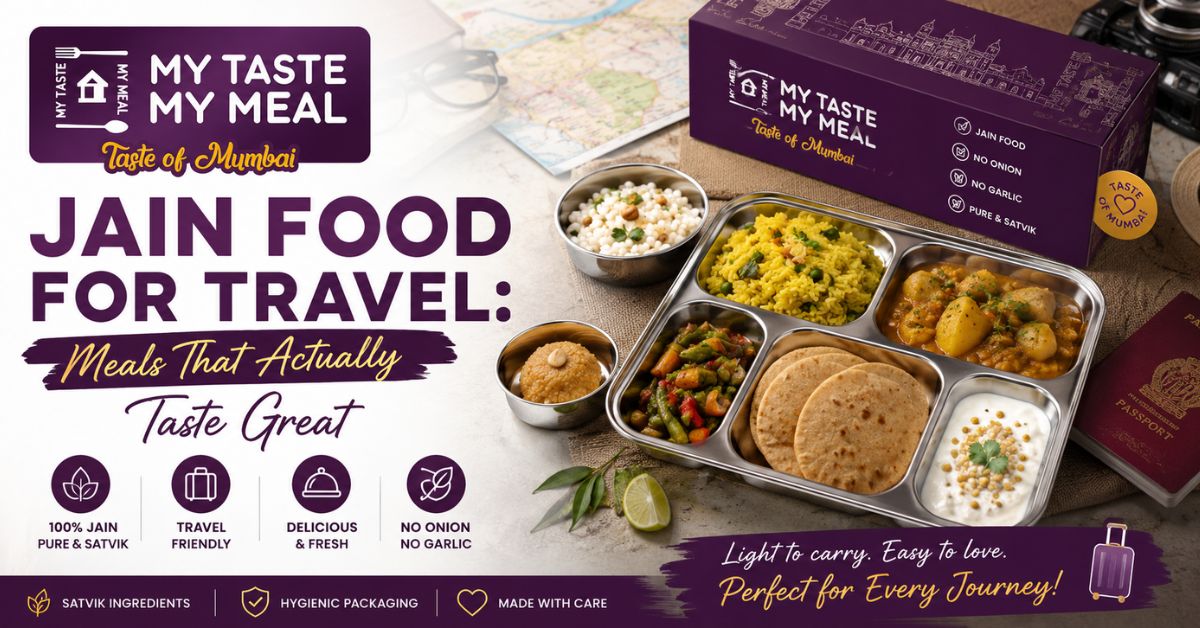
For families following a Jain diet, versions of dal khichadi, dal fry, Dal Makhani, and several curries are made without onion, garlic, or root vegetables. There are also baby food options for parents raising young children abroad who still want to introduce Indian flavours early.
This widespread matter because authentic Indian ready meals should not mean settling for the same two or three dishes on repeat for months at a time.
How to Prepare Indian Meals Overseas in Minutes
One reason packaged Indian meals work so well for people living abroad is the short prep time. Most follow one of three simple methods.
Hot water method:
-
Empty the packet into a bowl.
-
Add hot water as marked on the packet, usually around 190ml.
-
Cover, wait a few minutes, stir, and serve.
Stove method:
-
Empty the packet into a pan.
-
Add water as shown on the pack and heat for 3 to 5 minutes on a medium flame.
-
Serve hot.
Microwave method:
-
Empty the packet into a microwave-safe bowl.
-
Add water as shown on the pack and microwave for about 2 minutes.
-
Stir gently and serve.
No stove or microwave handy, such as in a hostel room or shared kitchen with limited access? A kettle and a bowl are usually enough to get a full meal ready in under ten minutes.
Tips for Building an Indian Food Stash Abroad
-
Order in bulk when you travel back to India, since shipping large quantities internationally can add to the cost.
-
Mix categories rather than buying ten of the same dish, so you are not eating the same flavour every week.
-
Store pouches in a cool, dry cupboard, away from direct heat, since consistent room temperature keeps quality steady for longer.
-
Check the best-before date, especially if you are placing a large order that will last several months.
-
Keep a couple of soup or khichdi packets aside for days when you are unwell or too tired to cook anything from scratch.
Final Thoughts
Missing home is not something that goes away just because you have settled into a new country. Food is one of the simplest ways to stay connected. Whether it is a quick breakfast before work or a full meal on a weekend when cooking feels like too much effort, having a small stock of dependable Indian meals on hand can make a foreign kitchen feel a little more like home. Brands such as My Taste My Meal, based in Mumbai and utilising freeze-dried and vacuum-packed cooking methods, are part of a growing segment of Indian food makers focused specifically on solving this problem for people living far from home. Whatever you choose to stock, look past the packaging and check the ingredients, the shelf life, and the certification before it earns a permanent spot in your pantry.
FAQs
Are ready-to-eat Indian meals actually safe to eat after months in storage?
Yes, if properly freeze-dried or vacuum-packed and stored in a cool, dry place. The low moisture content stops bacteria from growing, and a stated shelf life on the pack tells you exactly how long the food stays safe to eat.
Can I carry Indian packaged food through airport security when flying abroad?
Sealed, dry, packaged food is generally allowed in checked baggage and often in carry-on, too, though rules vary by country. It is worth checking the destination country's customs rules on food imports before you travel.
Do these meals taste like actual home-cooked Indian food?
Quality varies by brand, but well-made freeze-dried meals use real spices and cooking methods before drying, so the taste is close to home-style cooking once rehydrated, especially compared to instant noodles or frozen ready meals.
How long does a typical packet of Indian meal last unopened?
Most freeze-dried Indian meals carry a shelf life of around six months to a year from the packing date, provided they are stored away from heat and moisture. Always check the printed date on the pack before use.
What is the difference between freeze-dried and regular frozen Indian food?
Freeze-dried food is dried and shelf-stable at room temperature, needing only water to prepare, while frozen food needs constant refrigeration and a longer cooking process. Freeze-dried options are far easier to carry, ship, and store abroad.