Article: Hostel Food Got You Bored? Try These Ready-to-Eat Meals for Students
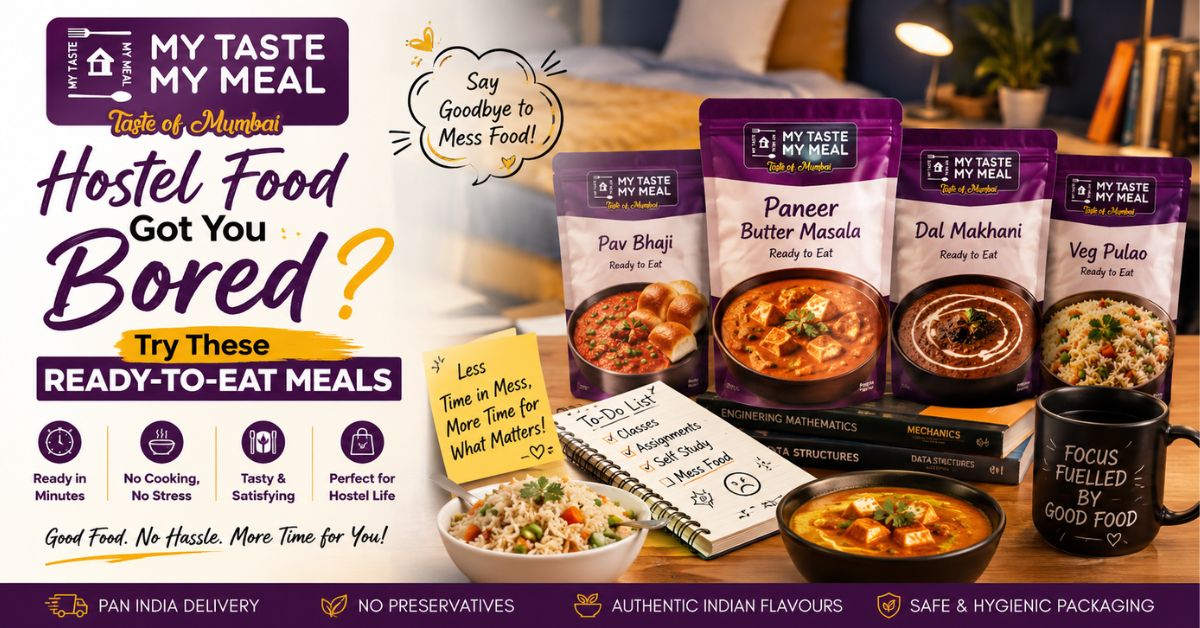
Hostel Food Got You Bored? Try These Ready-to-Eat Meals for Students
If you have lived in a hostel for more than a month, you already know the drill. Monday is rice and dal. Tuesday is the same rice and dal with a different name. By Wednesday, you are staring at your plate, wondering if you accidentally time-travelled back to yesterday. Hostel mess food is not bad because the cooks are lazy. It is bad because feeding two hundred people on a fixed budget rarely leaves room for variety.
The good news is that you do not have to eat the same six dishes on rotation for four years. Ready-to-eat meals for students have become a real option, and they are a lot better than the instant noodles you probably survive on right now.
Why Hostel Food Gets Boring After a While
Mess kitchens work on a repeating menu because it is easier to plan, buy, and cook that way. There is nothing wrong with the system.
It just means:
-
The same 15 to 20 dishes repeat every week
-
Spices and portion sizes stay fixed regardless of your taste
-
Late-night hunger has almost no real food options besides Maggi
-
Home food memories start hitting harder around exam season
This is exactly why so many students start looking for hostel food alternatives that do not need a full kitchen setup or a mess subscription.
What Are Ready-to-Eat Meals for Students
Ready-to-eat meals are pre-cooked dishes that go through freeze-drying or vacuum packing so they can sit on a shelf for months without turning bad. No preservatives, no refrigeration, and no cooking skills required. You just add hot water, wait a few minutes, and the dish is ready.
My Taste My Meal makes a wide range of these meals, from Punjabi chole and pav bhaji to dal fry and veg biryani, along with Jain versions for students who follow that diet. The brand has been working with freeze-dried Indian food since 2011, which means the recipes have had years to get the taste right, not just the shelf life.
Instant Meals for Hostel Life: What Actually Works
Not every packaged food survives hostel conditions. A good instant meal for hostel use needs to check a few boxes.
-
It should not need a stove, since many hostels do not allow one in the room
-
It should be ready in under 10 minutes
-
It should not need refrigeration before or after opening
-
It should taste close to actual home cooking, not like flavoured cardboard
Freeze-dried meals from My Taste My Meal fit this list well. You can prepare them in three ways, and none of them needs a full kitchen.
Hot water method
-
Empty the packet into a bowl
-
Add hot water as shown on the pack (around 190 ml)
-
Let it sit, stir, and eat
Microwave method
-
Empty the packet into a microwave-safe bowl
-
Add water as instructed
-
Microwave for about 2 minutes and stir before eating
Gas-stove method
-
Empty the packet into a pan
-
Add water as shown on the packet
-
Heat for 3 to 5 minutes on medium flame
If your hostel has an electric kettle or a shared microwave, that is really all you need.
Quick Indian Meals to Rotate Through Your Week
One of the biggest wins with ready meals for hostel rooms is variety.
Instead of eating the same dal every night, you can rotate through actual Indian dishes:
-
Rice-based meals: Veg Biryani, Jeera Rice, Tawa Pulav, Schezwan Rice, Burnt Garlic Fried Rice, Rajma Rice
-
Dal options: Dal Makhani, Dal Fry, Gujarati Dal, Sambhar, and Jain versions of each
-
Full meals: Pav Bhaji, Punjabi Chole, Paneer Tikka, Veg Kolhapuri, Veg Handi, Paneer Bhurji, Veg Makhanwala, Aloo Bhaji
-
Breakfast picks: Kanda Poha, Mumbai Upma, Mumbai Misal, Idli Sambar, Sev Khamni, and dry paper dosas in cheese, butter, or Mysore style
A quick trick many students use: keep 2 to 3 packets in your bag drawer at all times. That way, a late study night or missed meal timing does not turn into a hunger crisis.
Easy Meals for College Students on a Budget
Money matters in a hostel, and food delivery apps eat into it fast. A single food delivery order can cost more than three ready-to-eat packets combined, and delivery takes 30 to 45 minutes on a good day.
Here is a simple way to think about the math. If your average delivery order costs somewhere between Rs. 200 and Rs. 300 after fees, one ready meal at Rs. 150 to Rs. 230 works out cheaper, faster, and does not depend on the delivery guy finding your hostel gate. It also means less impulsive online ordering during exam weeks, which tends to add up fast without you noticing.
Mess Food vs Delivery Apps vs Ready-to-Eat Packets
It helps to see the three options side by side before deciding what fits your routine.
-
Mess food: Cheapest per meal, fixed timing, limited variety, and you cannot skip a day without losing that meal
-
Delivery apps: Wide variety, but slow during rain or exam season rush; plus, delivery fees and surge pricing add up over a month
-
Ready-to-eat packets: Fixed cost per packet, ready in 5 to 10 minutes, no delivery wait, and you control exactly when you eat
None of these three has to replace the others completely. Most students end up using microwavable food for daily meals, keeping a few ready-to-eat packets for backup, and ordering delivery only on weekends. That balance keeps both your wallet and your stomach reasonably happy.
Hostel Food Alternatives Beyond Just Meals
Ready-to-eat options are not limited to main courses.
If you want to round out your hostel food alternatives, look at the following:
-
Chutneys for when the mess food is too plain
-
Soups for cold nights or when you are feeling under the weather
-
Desserts for the days you actually want to celebrate something
-
Indian breads to go with your dal or curry packets
Together, these give you enough options to build a proper meal instead of surviving on one packet at a time.
How to Store Ready Meals for Hostel Rooms
Storage is where most students go wrong, even with long shelf-life products.
A few basics:
-
Keep unopened packets in a cool, dry spot away from direct sunlight
-
Once opened, finish the meal the same day
-
Check the shelf life printed on the pack before buying in bulk
-
Store packets away from moisture, especially if your hostel room has a humid corner near the window
Freeze-dried meals from My Taste My Meal typically carry a shelf life of up to 12 months when unopened, so buying a small stock for the semester is realistic and not wasteful.
Final Thoughts
Hostel food does not have to mean four years of the same rotating menu. Ready-to-eat meals for students give you a way to eat something different without needing a kitchen, a stove, or a big budget. Whether it is a quick breakfast before an 8 am class or a proper dinner after a late library session, these packets fill a real gap that hostel messes cannot always cover. If your hostel food routine feels stuck on repeat, it might be time to add a few instant meals to your shelf and break the cycle.
Frequently Asked Questions
1. Are ready-to-eat meals actually healthy for daily use?
Most freeze-dried and vacuum-packed meals skip preservatives and MSG, which makes them a reasonable option a few times a week. They work best as a backup to regular meals, not a full replacement for fresh food every single day.
2. Can I cook these instant meals for hostel use without a stove?
Yes. Most freeze-dried meals only need hot water or a microwave. If your hostel does not allow a stove or induction plate, an electric kettle or the mess's microwave is enough to prepare the meal in a few minutes.
3. How long do ready-to-eat meals last without refrigeration?
Unopened packets often last up to 12 months at room temperature, since freeze-drying removes the moisture that causes spoilage. Once you open a packet, it is best to finish it the same day.
4. Are there Jain options among ready meals for hostel students?
Yes, several brands, including My Taste My Meal, offer Jain versions of dal, khichadi, and other dishes made without onion and garlic, so students following Jain diets have proper options too.
5. Do ready-to-eat meals taste like real home-cooked food?
Taste varies by brand and dish, but freeze-drying preserves flavour much better than older canning methods. Dishes like pav bhaji, dal fry, and veg biryani generally taste close to a home kitchen version once prepared with hot water.