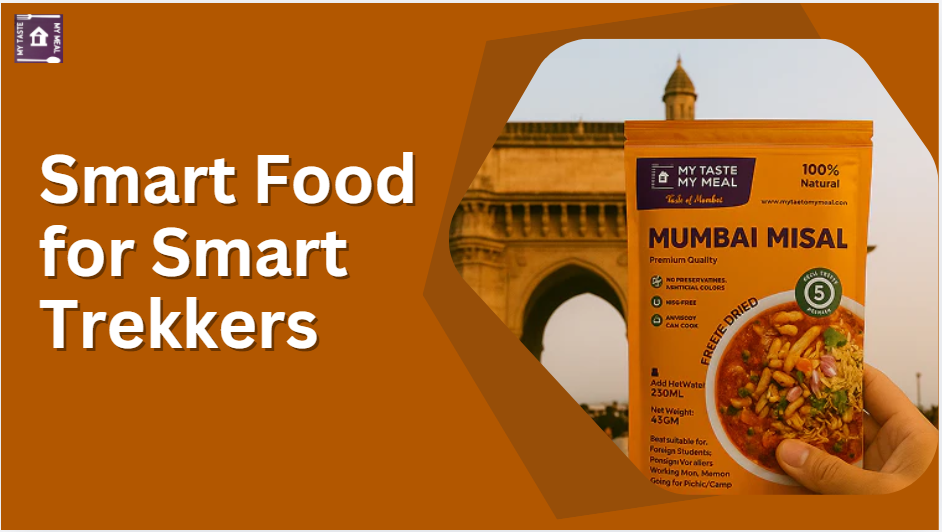
Camping & Trekking Food Guide: Why Freeze-Dried Meals Are Ideal
Planning your next camping trip or trekking adventure? One of the biggest challenges you'll face is deciding what food to carry. You need meals that are light, nutritious, easy to prepare, and won't spoil during your journey. This is where freeze-dried meals and ready to eat food packets come in as a game-changer for outdoor enthusiasts across India and beyond.
What Are Freeze-Dried Meals?
Freeze-dried meals are foods that have undergone a special preservation process called lyophilization. This process removes 98-99% of the water content from cooked food while keeping almost all the nutrients, flavour, and texture intact.
Here's how it works: The food is first frozen solid at extremely low temperatures. Then, it's placed in a vacuum chamber where the frozen water transforms directly from ice to vapour without becoming liquid first. This method is called sublimation.
The result? Lightweight, compact meals that can last for years without refrigeration. When you're ready to eat, just add hot water and wait a few minutes. Your meal rehydrates to something that tastes remarkably close to freshly cooked food.
Why Freeze-Dried Meals Work Perfectly for Camping and Trekking
1. Incredibly Lightweight and Portable
Weight matters when you're carrying everything on your back. A 10-pound bag of fresh food weighs only about one pound after freeze-drying. This makes a huge difference when you're trekking through the Western Ghats or camping in Ladakh.
Most freeze-dried meal pouches weigh between 140-250 grams but provide 500-900 calories. That's roughly 100-130 calories per ounce, which is quite efficient for backpacking nutrition.
2. Long Shelf Life Without Refrigeration
Properly packaged freeze-dried meals can last 5-25 years depending on the storage conditions and packaging. This means you can stock up on your favourite meals from My Taste My Meal and keep them ready for spontaneous weekend trips or emergency situations.
The removal of moisture prevents bacteria, moulds, and yeasts from growing. Without water, these microorganisms cannot survive, which is what gives freeze-dried food its impressive shelf life.
3. Retains Nutritional Value
One of the biggest advantages of freeze-dried meals over other preservation methods is nutrition retention. Studies show that freeze-drying preserves approximately 97% of the original nutritional content.
Compare this to other methods:
-
Regular dehydration: Retains about 60% of nutrients
-
Canning: Retains about 40% of nutrients
-
Freeze-drying: Retains about 97% of nutrients
When you're trekking or camping, your body needs proper nutrition for energy, muscle repair, and maintaining your immune system. Freeze-dried meals deliver the vitamins, minerals, proteins, and carbohydrates you need to keep going.
4. Quick and Easy Preparation
After a long day of trekking, you don't want to spend hours cooking. Freeze-dried meals are ready in 5-15 minutes. Simply boil water, pour it into the meal pouch up to the fill line, seal it, wait, and eat.
Some meals can even be prepared with cold water in emergencies, though rehydration takes longer. The best part? You can often eat directly from the pouch, which means minimal cleanup and no heavy utensils to carry.
5. Authentic Indian Flavours
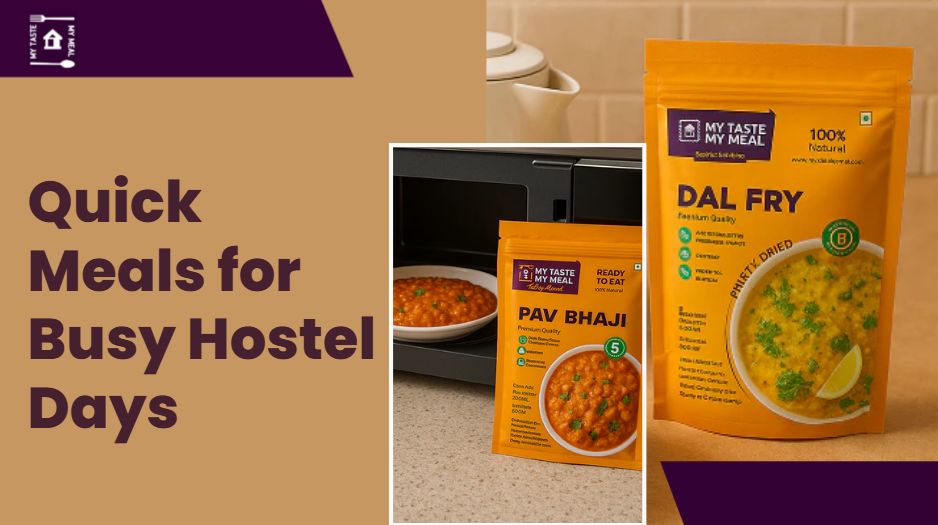
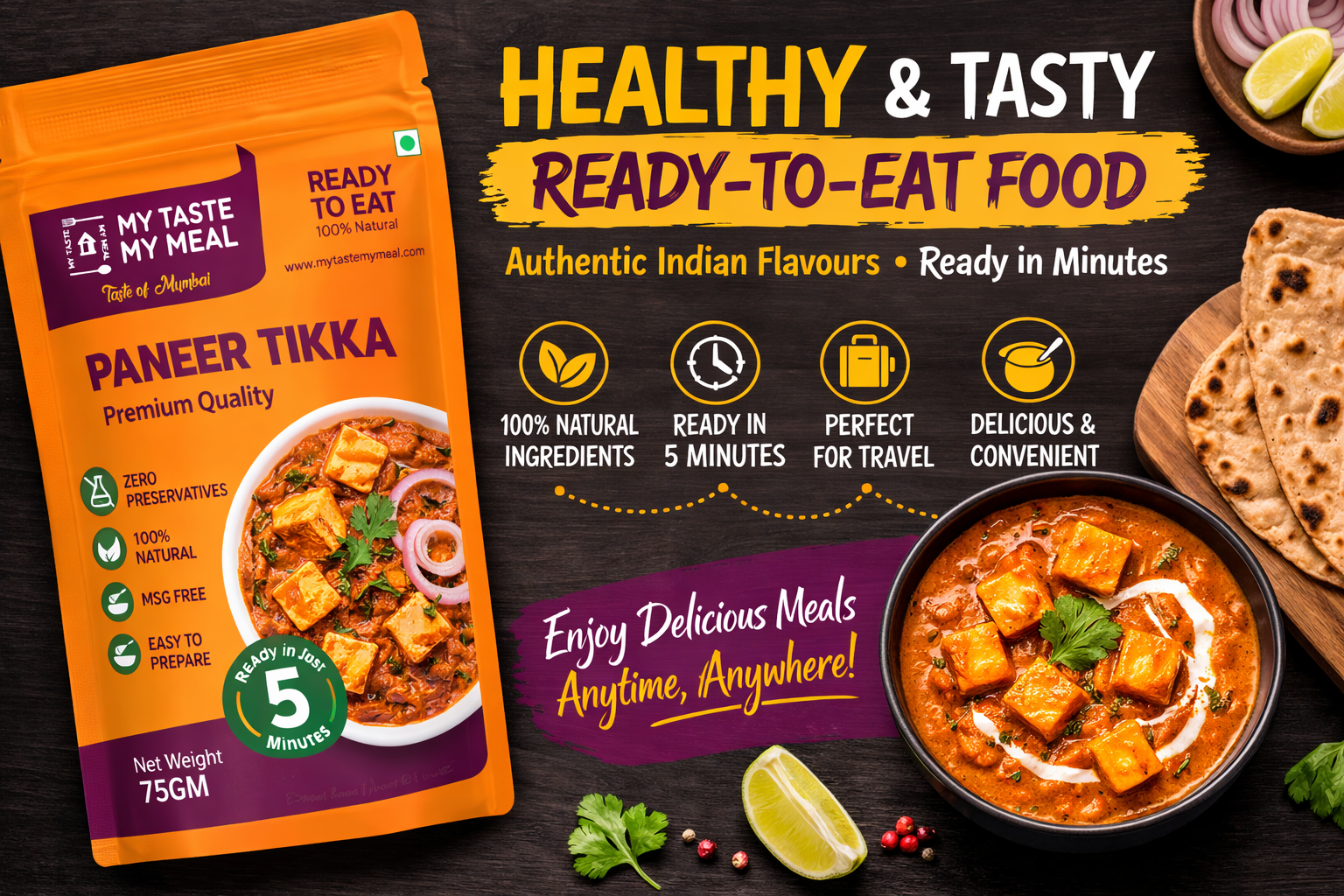
For Indian trekkers and campers, finding familiar, tasty food on the trail used to be a challenge. Not anymore. My Taste My Meal offers over 50 freeze-dried Indian meal options including favourites like Pav Bhaji, Dal Makhani, Veg Biryani, Punjabi Chole, and even Jain options.
You don't have to compromise on taste just because you're outdoors. These meals taste remarkably similar to home-cooked food because the freeze-drying process preserves the original flavours and aromas.
If you follow Jain dietary practices, you can now conveniently order pure Jain meals online and carry them on your treks without worrying about onion, garlic, or cross-contamination. These meals are thoughtfully prepared to maintain authentic taste while respecting strict dietary requirements.
Understanding the Difference: Freeze-Dried vs Dehydrated
Many people confuse freeze-dried meals with dehydrated meals, but they're quite different:
Dehydrated Meals:
-
Use heat to remove 80-95% of water
-
Food often becomes leathery or tough
-
Takes longer to rehydrate
-
Some nutrient loss due to heat exposure
-
Generally cheaper
Freeze-Dried Meals:
-
Remove up to 99% of water through sublimation
-
Food maintains its structure and texture
-
Rehydrates quickly and completely
-
Minimal nutrient loss (preserves 97% of nutrients)
-
Lighter weight
-
Longer shelf life
-
More expensive but worth it
Think of the difference between a grape and a raisin. A dehydrated grape becomes a chewy raisin because the cellular structure collapses. A freeze-dried grape maintains its original structure and puffs back up when you add water.
Practical Benefits for Indian Conditions
India's diverse climate and terrain present unique challenges for outdoor food:
Hot Weather: In states like Rajasthan or during summer treks, regular food spoils quickly. Freeze-dried meals don't need refrigeration and remain stable even in 40°C heat.
Monsoon Treks: During the monsoon season in places like Lonavala or Coorg, keeping food dry is challenging. Freeze-dried meals are already moisture-free and come in waterproof packaging.
High Altitude: In the Himalayas, where cooking takes longer due to lower air pressure, having pre-cooked freeze-dried meals is a blessing. You're just rehydrating, not cooking from scratch.
Remote Locations: Whether you're trekking in Spiti Valley or camping in the Sundarbans, carrying enough provisions for several days becomes manageable with lightweight freeze-dried meals.
What to Look for in Quality Freeze-Dried Meals
Not all freeze-dried meals are created equal. Here's what to check:
Ingredients: Look for meals made with natural ingredients without excessive preservatives or artificial additives. My Taste My Meal focuses on authentic Indian recipes made with quality ingredients.
Calorie Density: For trekking, aim for meals with at least 500-600 calories per serving. Your body burns significantly more calories when hiking with a backpack.
Rehydration Time: Most quality freeze-dried meals rehydrate in 5-10 minutes with hot water. Anything longer might not be ideal for tired trekkers.
Packaging: Good packaging protects against moisture, light, and oxygen. Look for pouches with proper seals and oxygen absorbers.
Variety: Having options prevents meal fatigue on longer trips. Choose brands that offer diverse menus including breakfast, lunch, dinner, and even desserts.
Tips for Using Freeze-Dried Meals on Your Trek
Measure Water Carefully: Too much water makes your meal soupy; too little leaves it underhydrated. Follow the fill line marked on the pouch or measure accurately using your pot.
Use a Cosy: After adding hot water, place the meal pouch in an insulated cover or your sleeping bag. This keeps it warm and helps with thorough rehydration.
Stir Halfway: Open the pouch after a few minutes, stir, reseal, and let it finish rehydrating. This ensures even moisture distribution.
Add Fresh Ingredients: On shorter trips where you can carry some fresh items, enhance your freeze-dried meals with real vegetables, paneer, or fresh herbs for extra nutrition and flavour.
Pack Smart: Store your freeze-dried meals in waterproof bags within your backpack. Keep them away from items that could puncture the pouches.
Calculate Portions: Most people need 2,500-4,500 calories per day while trekking, depending on intensity. Plan your meals accordingly and pack a few extra in case of delays.
Environmental Considerations
Freeze-dried meals do generate packaging waste, but they have some environmental advantages:
-
Reduced food waste since they don't spoil
-
Lighter transport weight means lower fuel consumption during distribution
-
Less water usage on the trail (you're carrying less liquid)
After your trek, carry out all packaging. Many camping areas in India now have strict leave-no-trace policies, and responsible trekkers always pack out what they pack in.
Cost vs Value
Yes, freeze-dried meals cost more than cooking your own food at home. A meal pouch might cost Rs. 150-250. But consider what you're getting:
-
No cooking equipment needed (just a way to boil water)
-
No food spoilage
-
Minimal fuel consumption
-
Time saved on preparation and cleanup
-
Reliable nutrition when you need it most
-
Lightweight load on your back
For many trekkers, especially those doing multi-day hikes or travelling to remote areas, the convenience and reliability justify the cost.
Who Benefits Most from Freeze-Dried Meals?
Solo Trekkers: Cooking for one person in the wilderness is inefficient. Freeze-dried meals offer perfect single portions.
First-Time Campers: If you're new to outdoor adventures, freeze-dried meals remove one variable from trip planning.
Ultra-Light Backpackers: Every gram matters when you're trying to minimize pack weight.
Emergency Preparedness: These meals work well in earthquake kits, flood preparation, or other emergency supplies for Indian families.
Students and Working Professionals: Those studying or working abroad who crave home-style Indian food will find freeze-dried Indian meals from My Taste My Meal extremely convenient.
Time-Constrained Adventurers: Weekend warriors who want maximum trail time and minimum camp chores.
Popular Freeze-Dried Meal Options at My Taste My Meal
My Taste My Meal offers authentic Indian freeze-dried meals that solve the biggest problem for Indian trekkers: finding familiar, tasty food on the trail. Their range includes:
-
Breakfast Options: Start your day with Kanda Poha, Mumbai Misal, or Idli Sambhar
-
Main Meals: Choose from Palak Paneer, Veg Kolhapuri, Punjabi Chole, or Pav Bhaji
-
Rice Dishes: Veg Biryani, Tawa Pulav, Jeera Rice, or Rajma Rice
-
Dal Varieties: Dal Makhani, Dal Fry, Gujarati Dal, or Sambhar
-
Jain Options: Special preparations without onion and garlic for those following Jain dietary practices
All meals are designed to taste like home-cooked food, use quality ingredients, and rehydrate quickly on the trail.
Making the Switch to Freeze-Dried Meals
If you're used to cooking on the trail or carrying raw ingredients, making the switch to freeze-dried meals might feel different at first. Here's how to transition:
Start Small: Try freeze-dried meals on a day hike or weekend trip before committing to them for a long trek.
Mix and Match: Combine freeze-dried meals with some fresh ingredients for the first couple of days, then rely more heavily on freeze-dried options as your trek progresses.
Read Reviews: Check what other trekkers say about specific meals. Taste preferences vary, so find the ones that work for you.
Test at Home: Before your trip, prepare a freeze-dried meal at home to understand rehydration time and portion sizes.
The Future of Trekking Food in India
As more Indians take up trekking, camping, and outdoor adventures, the demand for convenient, tasty trail food continues to grow. Freeze-dried Indian meals fill a gap that imported camping food never could – they offer familiar flavours that remind us of home while meeting the practical needs of outdoor nutrition.
Technology continues to improve, with better packaging, more flavour options, and increasingly efficient production methods. What was once food for astronauts and military personnel is now accessible to anyone planning a weekend trek in the Sahyadris or a fortnight in the Himalayas.
Whether you're planning your first camping trip or you're a seasoned trekker looking to lighten your pack, freeze-dried meals offer a practical solution. They let you focus on the adventure itself rather than worrying about food logistics.
Pack light, eat well, and enjoy your outdoor adventures with the confidence that comes from having reliable, tasty meals ready whenever you need them.
Frequently Asked Questions
How long do freeze-dried meals really last?
Freeze-dried meals can last 5-25 years when stored properly in cool, dry, dark places. The exact shelf life depends on packaging quality and storage conditions. Once opened, consume the meal within a few weeks to maintain quality. The packaging from reputable brands like My Taste My Meal typically includes a manufacture date and best-before information to help you track freshness.
Can I prepare freeze-dried meals without hot water?
Yes, you can rehydrate freeze-dried meals with cold water, but it takes significantly longer – typically 15-30 minutes instead of 5-10 minutes. This option works for emergency situations or when you cannot light a stove. The taste and texture will be slightly different compared to hot water preparation, but the meal remains safe and nutritious to eat.
Are freeze-dried meals suitable for people with dietary restrictions?
Many freeze-dried meal brands now cater to various dietary needs. My Taste My Meal, for instance, offers Jain options without onion and garlic. When shopping, check ingredient lists carefully for allergens. Most brands clearly label vegetarian, vegan, gluten-free, or other dietary specifications on their packaging, making it easier to find meals that fit your requirements.
How much water do I need to carry for freeze-dried meals?
Most freeze-dried meals require 200-400 ml of water for rehydration. Plan your water needs based on the number of meals plus drinking water. On treks with reliable water sources, you can carry less and refill as needed. Always treat natural water sources before use, and remember that in high altitudes, water takes longer to boil.
Can I customize or enhance store-bought freeze-dried meals?
Absolutely! Many trekkers enhance their freeze-dried meals by adding fresh ingredients, spices, ghee, or additional vegetables when available. You can also mix two different freeze-dried dishes for variety or add instant noodles for extra carbohydrates. Carry small containers of your favourite spices or masalas to personalise the flavour according to your taste preferences during the trek.