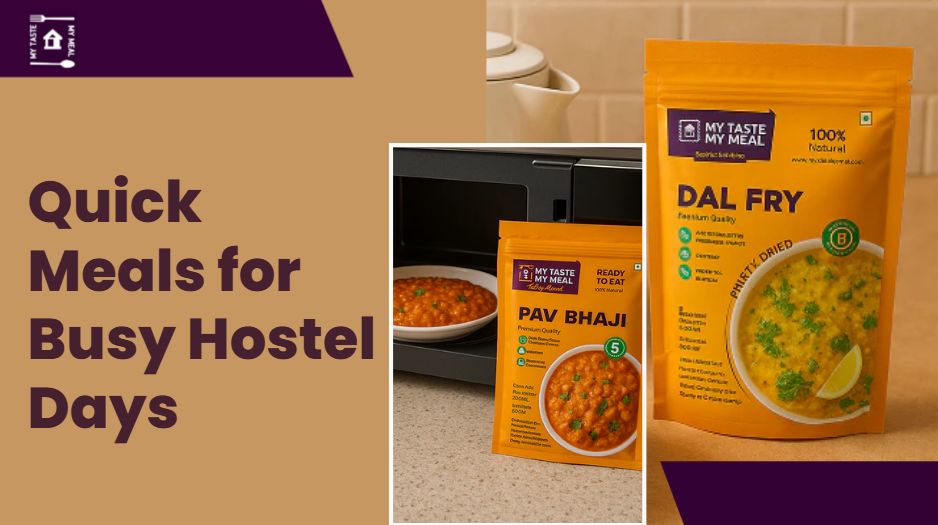
Best Ready-to-Eat Indian Meals for Hostel Students
Living in a hostel is an experience full of late-night study sessions, spontaneous outings, and limited kitchen access. But one thing most hostel students struggle with is finding good food that tastes like home. Mess food gets repetitive, ordering takeout drains your monthly budget, and cooking from scratch is often impractical when you're sharing a single electric kettle with three roommates.
This is where ready-to-eat Indian meals come in. These convenient food solutions are changing the way students eat, offering authentic Indian flavors without the cooking hassle. Let's explore why these meals are becoming a hostel staple and which options work best for student life.
Why Hostel Students Need Ready-to-Eat Meals
College life is busy. Between assignments, exams, and trying to maintain some semblance of a social life, cooking elaborate meals often falls to the bottom of the priority list. Research on student lifestyle patterns shows that over 85% of hostel residents struggle with unhealthy eating habits, primarily due to limited options and time constraints.
Ready-to-eat meals solve several problems at once. They save time, eliminate the need for cooking equipment, and provide nutritious alternatives to instant noodles and packaged snacks. For students studying away from home, especially those living abroad, these meals offer a taste of home that can help with homesickness.
The portability factor matters too. Whether you're heading to the library for an all-night study session or taking a weekend trip, these meals travel easily. They don't require refrigeration, take minimal storage space, and can be prepared with just hot water.
Understanding Freeze-Dried Technology
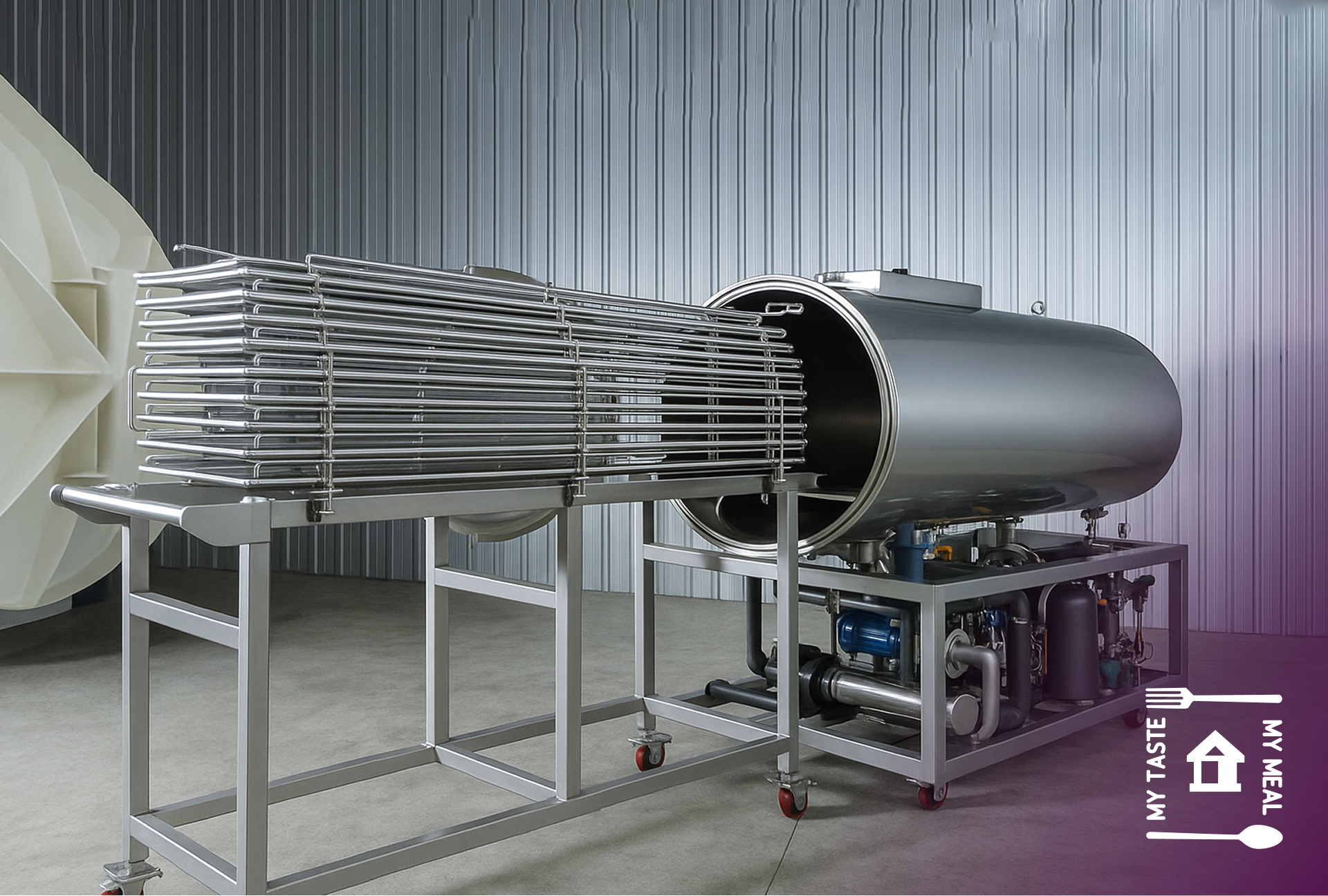
Most quality ready-to-eat Indian meals use freeze-drying technology. This preservation method is different from regular dehydration. The process freezes food and then removes moisture through sublimation, where ice turns directly into vapor without becoming liquid first.
Why does this matter? Freeze-drying retains up to 97% of the original nutrients, vitamins, and minerals. The low-temperature process preserves the food's structure, flavor, and nutritional value far better than traditional drying methods. Studies confirm that freeze-drying outperforms other preservation techniques in retaining antioxidants, vitamin C, and beneficial plant compounds.
The shelf life is another major advantage. Properly stored freeze-dried meals can last months or even years without refrigeration. For hostel students, this means stocking up without worrying about food spoiling during semester breaks.
Top Ready-to-Eat Indian Meal Options for Students
Complete Meal Solutions
-
Rice-Based Dishes: Options like biryani, pulao, and fried rice varieties make satisfying one-bowl meals. Look for versions that include vegetables and protein. These dishes are filling and provide balanced nutrition. At My Taste My Meal, options like Veg Biryani and Tawa Pulao are student favorites because they're complete meals that only need hot water.
-
Dal and Rice Combos: Dal khichdi is comfort food that's easy on the stomach and budget. This combination provides protein from lentils and carbohydrates from rice. It's the meal many students turn to when feeling unwell or homesick.
-
Curry and Gravy Options: Dishes like Pav Bhaji, Punjabi Chole, and Paneer Tikka pair well with bread or rice you might have separately. These gravies are versatile and can be customized based on what you have available.
Quick Breakfast Options
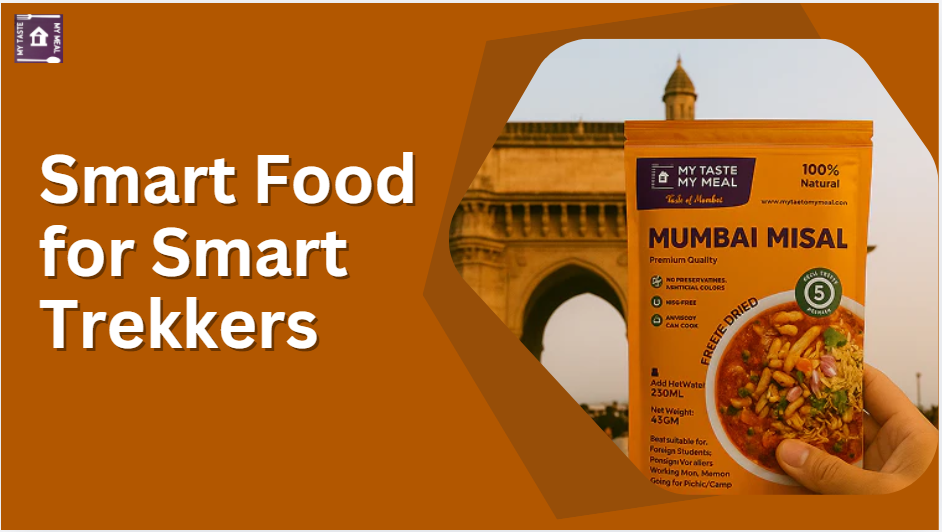
Mornings are rushed in hostels. Breakfast options like Poha, Upma, and Misal provide quick nutrition without the need for elaborate preparation. Kanda Poha takes just minutes to prepare and gives you energy for morning classes.
South Indian options like Idli Sambar offer a different flavor profile. These meals are lighter but still filling enough to keep you going until lunch.
Dal Varieties
Lentils are protein powerhouses. Dal Makhani, Dal Fry, and regional varieties like Gujarati Dal each offer different taste experiences. Having a few dal packets in your room means you always have a nutritious meal option ready.
For students following Jain dietary practices, dedicated Jain versions ensure you can maintain your dietary requirements even in a hostel setting. My Taste My Meal offers Jain-friendly options for many popular dishes, addressing a need that's often overlooked in student food solutions.
How to Choose Quality Ready-to-Eat Meals
Not all ready-to-eat meals are created equal. Here's what to look for when selecting options for your hostel pantry:
Ingredient Quality: Check the ingredient list. Better products use real vegetables, authentic spices, and minimal additives. The ingredient list should read like a recipe, not a chemistry experiment.
Preparation Requirements: Some meals need just hot water, while others might require heating in a microwave or on a stove. Choose based on what facilities you have access to. If your hostel only has an electric kettle, stick with meals that rehydrate with hot water.
Portion Sizes: Consider whether one packet serves one person or two. This affects the value you're getting and helps with meal planning.
Nutritional Content: Look at protein, fiber, and vitamin content. The best options provide balanced nutrition, not just empty calories. Freeze-dried meals typically retain more nutrients than other preserved foods.
Shelf Life: Longer shelf life means you can buy in bulk and save money. Check expiration dates, especially if you're shopping at the end of a semester.
Brand Reputation: Stick with brands that specialize in freeze-dried Indian food. My Taste My Meal, for instance, focuses specifically on authentic Indian recipes using freeze-drying technology, which means their products are designed with the unique challenges of Indian cuisine preservation in mind.
Preparing Ready-to-Eat Meals in a Hostel Room
Most freeze-dried Indian meals are remarkably easy to prepare. Here are the common methods:
- Hot Water Method: Empty the packet into a bowl, add the specified amount of hot water (usually mentioned on the package), stir, and wait 3-5 minutes. This works with just an electric kettle.
- Microwave Method: If your hostel has a shared microwave, empty the contents into a microwave-safe bowl, add water, heat for 2-3 minutes, stir, and enjoy.
- Stovetop Method: For hostels with cooking facilities, you can heat these meals in a small pan with water for 3-5 minutes. This method allows you to add fresh ingredients if available.
The key is following the water measurements. Too little water leaves the meal dry, too much makes it watery. Start with the recommended amount and adjust to your preference.
Budget-Friendly Tips for Hostel Students
Ready-to-eat meals can be cost-effective if you shop smart:
- Buy in Bulk : Many brands offer combo packs at discounted rates. Coordinate with roommates to place larger orders and split the cost.
- Compare Per-Meal Costs : Calculate the price per meal, not per packet. A slightly more expensive meal that's more filling might actually be better value.
- Mix and Match : Combine ready-to-eat gravies with your own rice or rotis to stretch your food budget further. One packet of curry with self-made rice can become two meals.
- Stock During Sales: Purchase during festival sales or promotional periods. Freeze-dried meals have long shelf lives, so stocking up when prices are low makes sense.
- Avoid Last-Minute Ordering: Planning your meals reduces the temptation to order expensive takeout. Having ready-to-eat options in your room means you're less likely to spend money on impulsive food purchases.
Health Considerations
While ready-to-eat meals are convenient, balance is important. Here are some tips for maintaining good nutrition:
- Supplement with Fresh Foods: Keep fresh fruits, vegetables, or salads when possible. These add vitamins and fiber that complement your ready-to-eat meals.
- Stay Hydrated: Freeze-dried foods have low moisture content. Drink plenty of water throughout the day, especially when consuming these meals regularly.
- Read Nutrition Labels: Choose options with balanced protein, carbohydrates, and fiber. Avoid meals with excessive sodium if you're eating them daily.
- Vary Your Choices: Rotate between different meal types to ensure diverse nutrient intake. Don't eat the same thing every day.
- Listen to Your Body: If certain meals make you feel sluggish or bloated, note which ingredients might be causing issues and choose alternatives.
Storage Tips for Small Hostel Spaces
Space is premium in hostel rooms. Here's how to store ready-to-eat meals efficiently:
- Use Airtight Containers: Transfer packets to labeled containers to prevent pests and moisture. This also makes it easier to see what you have.
- Organize by Meal Type: Group breakfast items, rice dishes, and gravies separately. This makes meal planning quicker.
- Check Expiry Dates: Use the FIFO method (first in, first out). Place newer purchases behind older ones.
- Keep it Cool and Dry: Store away from windows and heat sources. A shelf or cupboard away from direct sunlight works best.
- Create a Snack Station: Dedicate one small area for food storage that roommates agree to respect. This prevents your supplies from getting mixed with others' belongings.
Beyond Just Meals: Building a Hostel Food Pantry
Ready-to-eat meals work best as part of a well-stocked pantry. Consider keeping:
-
Instant oats for quick breakfasts
-
Dry fruits and nuts for healthy snacking
-
Tea or coffee for those study nights
-
Biscuits or crackers to pair with gravies
-
Seasoning and spices to customize meals
Having variety means you're less likely to get bored with your food options. It also gives you flexibility to create different meal combinations.
Real Student Experiences
Students who've made the switch to quality ready-to-eat meals report several benefits. They spend less time thinking about food and more time on studies. The authentic taste helps reduce homesickness. The convenience means better eating habits compared to constantly relying on instant noodles or junk food.
International students particularly appreciate having access to Indian food that doesn't require hunting for Indian grocery stores or learning to cook elaborate dishes from scratch. A packet of Rajma Rice or Dal Fry can make a dorm room feel a bit more like home.
Sustainable Choices
When selecting ready-to-eat meals, consider environmental impact. Freeze-dried foods are actually relatively sustainable. They reduce food waste, have minimal packaging compared to takeout, and don't require refrigeration during storage or transport.
Choose brands that use recyclable packaging. Buy only what you'll consume to avoid waste. Consider sharing certain items with roommates if you're trying new flavors.
Making the Switch: Getting Started
If you're new to ready-to-eat Indian meals, start with familiar flavors. Choose two or three dishes you already enjoy eating. This reduces the risk of buying something you won't like. Many brands, including My Taste My Meal, offer variety packs that let you sample different options.
Keep a few packets of your favorites always stocked. This ensures you're never completely out of meal options. As you get comfortable, experiment with regional specialties or dishes you haven't tried before.
The Bottom Line
Ready-to-eat Indian meals have evolved from basic survival food to genuinely tasty, nutritious options. For hostel students juggling academics, social life, and limited cooking facilities, these meals offer a practical solution that doesn't compromise on taste or health.
The freeze-drying technology used in quality products preserves authentic flavors while extending shelf life. Brands like My Taste My Meal are making it possible for students to enjoy home-style cooking even when home is hundreds of miles away.
Whether you're staying in a local hostel or studying abroad, having a stash of good ready-to-eat Indian meals means you're always prepared. No more choosing between expensive takeout and tasteless mess food. You can have convenient, delicious, and reasonably priced meals that actually satisfy your cravings for real Indian food.
The key is choosing quality products, storing them properly, and using them as part of a balanced approach to eating. With the right ready-to-eat meals in your hostel pantry, you're equipped to handle whatever student life throws at you.
Frequently Asked Questions
Q: Are ready-to-eat Indian meals healthy for daily consumption?
Yes, when chosen wisely. Quality freeze-dried meals retain most nutrients from fresh ingredients. They provide balanced nutrition with proteins, carbohydrates, and vegetables. However, supplement them with fresh fruits and adequate water intake. Check labels for sodium content and choose meals with whole food ingredients. Rotating different meal types ensures varied nutrient intake throughout the week.
Q: How long do freeze-dried ready-to-eat meals last?
Properly stored freeze-dried meals typically last 6-12 months, with some lasting several years. Keep them in cool, dry places away from direct sunlight and moisture. Always check the expiration date printed on the package. Once opened, consume within the timeframe mentioned on the packaging, usually within a few days if properly resealed.
Q: Can I prepare these meals without any cooking equipment?
Absolutely. Most ready-to-eat Indian meals only require hot water for preparation. An electric kettle is sufficient. Empty the packet contents into a bowl, add hot water as per instructions, wait 3-5 minutes, and your meal is ready. This makes them perfect for hostel rooms with minimal facilities or dormitories with strict cooking restrictions.
Q: Are ready-to-eat meals more expensive than cooking from scratch?
Initially, ready-to-eat meals might seem pricier per serving. However, they eliminate waste, save time, and reduce the need for multiple ingredients and equipment. When you factor in the cost of buying individual ingredients, cooking equipment, storage containers, and time spent cooking and cleaning, ready-to-eat meals often prove economical, especially for single servings in hostels.
Q: Do these meals taste like homemade food?
Quality freeze-dried meals come very close to homemade taste. Brands like My Taste My Meal use authentic recipes and freeze-drying technology that preserves flavors, colors, and textures. When rehydrated properly, they taste remarkably similar to freshly cooked food. The spices, ingredients, and preparation methods reflect traditional cooking, making them a satisfying option for students missing home-cooked meals.