
What Is Khamni? Sev Khamni Taste, Ingredients & How to Eat
Walk through a busy lane in Surat in the morning and you will spot a vendor scooping a pale yellow crumble into a paper dish. He tops it with crunchy sev, a pinch of coriander, and a squeeze of lemon. That plate is khamni, one of Gujarat’s most loved breakfast snacks. If you have never tried it, or you only know it by a spelling you spotted on a menu, this guide is for you. Here is what it is, how it tastes, what goes into it, and how to eat it well. Let’s break it down.
What Is Khamni? The Short Answer
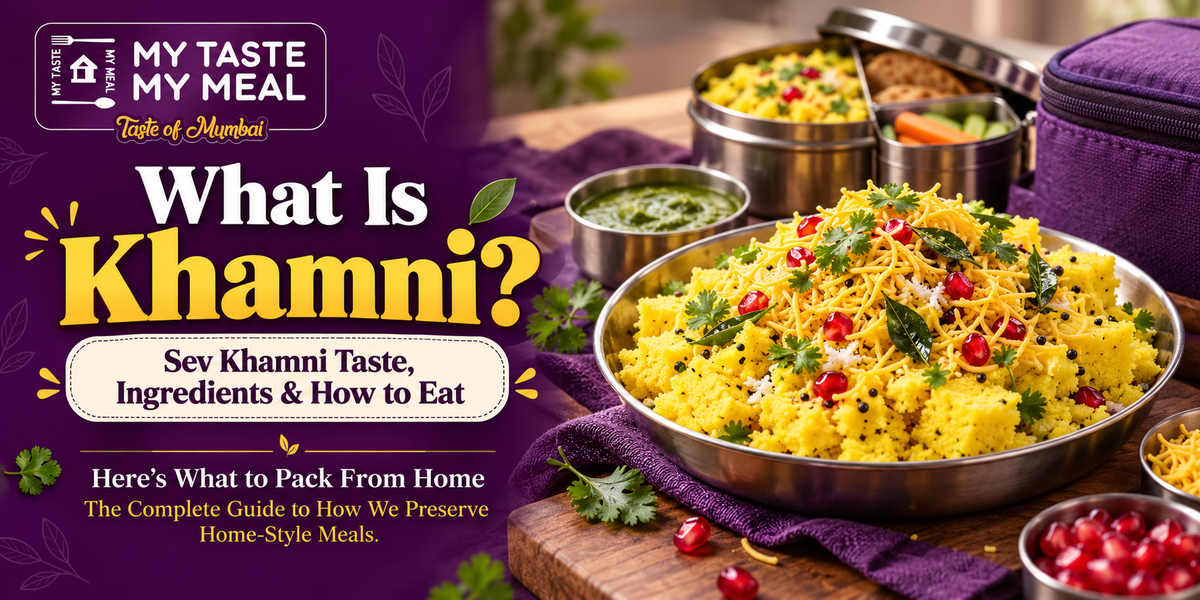
Khamni is a Gujarati snack made from chana dal (split Bengal gram). Cooks soak and grind the dal, steam it into a soft cake, crumble it, and toss it with a tempering of mustard seeds and green chilli. Sev, coriander, and lemon finish the plate.
Here is the quick version:
-
Base: Chana dal, soaked and coarsely ground.
-
Cooking: Steamed like khaman, then crumbled.
-
Flavour: Mustard seed tempering, green chilli, a little sugar, and lemon.
-
Topping: Fine sev and fresh coriander.
-
Served: Warm, as breakfast or a tea-time snack.
You will also see the name written as khamani, and some menus print shev khamni. All three spellings point to the same crumbled dal snack.
Where Khamni Comes From
This dish belongs to Surat, a city in southern Gujarat famous for its street food. Food writer Binjal Pandya describes the Surti version as a popular savoury street snack made from crushed chana dal and topped with sev. Surat’s food scene also gave India Surti undhiyu and Surati khaman, so the city has a long record of turning humble pulses into something special.
The dish makes sense when you think about Gujarati kitchens. Cooks there steam a lot of food, and they rarely waste leftovers. The Gulf Times notes that Amiri Khaman uses leftover khaman crumble, tempers it with garlic, and tops it with sev. Food bloggers describe the Surti version as a bit like dhokla chaat, except the dhokla pieces are crumbled.
Khamni vs Khaman vs Dhokla: What Is the Difference?
These three names confuse almost everyone outside Gujarat. Here is how they differ.
-
Khaman: A soft, spongy, yellow steamed cake. Many versions use besan (gram flour). Others, such as Vati Dal Khaman, use ground chana dal.
-
Dhokla: Usually a fermented rice and urad dal batter. It looks paler and feels a little denser than khaman.
-
Khamni: Crumbled dal khaman, cooked or tempered until fluffy and served with sev.
The ingredient list also matters. J Cooking Odyssey notes that Khamani for this snack uses chana dal rather than the gram flour that goes into nylon khaman. That swap gives Khamni a coarser, more textured bite.
So when someone asks whether it is just crumbled khaman, the honest answer is mostly yes, with one condition: the dal base should be coarse, not silky.
Sev Khamni Taste: What to Expect
This snack sits in a happy middle ground between sweet, tangy, and spicy. Here is what hits your tongue in order:
-
Soft and fluffy first. The crumbled dal feels light, not mushy.
-
Gentle sweetness. A small amount of sugar balances the heat.
-
Green chilli warmth. The ready-to-eat Sev Khamni pack lists a medium spice level.
-
Mustard seed pop. The tempering adds a sharp, nutty edge.
-
Lemon at the end. The squeeze of citrus lifts every bite.
-
Crunch on top. Sev adds the texture contrast that makes the plate fun.
If you enjoy poha, upma, or dhokla, you will probably like this one. The mix of soft and crunchy keeps each spoonful interesting.
Sev Khamni Ingredients
Traditional Ingredients
Recipes vary, but most versions share this list. The Surti recipe from Binjal’s Veg Kitchen is a good reference.
-
Chana dal, soaked for five to six hours or overnight
-
Green chilli and ginger (many Surat recipes also add garlic)
-
Turmeric, salt, and sugar
-
Lemon juice or citric acid, plus a pinch of baking soda for fluffiness
-
Oil for greasing and tempering
-
Mustard seeds and asafoetida (hing) for the tempering
-
Sev and chopped coriander for topping
-
Grated coconut or pomegranate seeds, if you like
Ingredients on the Ready-to-Eat Pack
The Sev Khamni product page at My Taste My Meal lists these ingredients: chickpea lentils, edible oil, sugar, ginger, green chilli, iodised salt, turmeric powder, and mustard seeds. The page describes the dish as steamed chana dal that is lightly spiced, crumbled, and topped with sev, coriander, and lemon. Always read the label on the pack you receive, because recipes and variants can change.
How to Eat Sev Khamni
You can eat it plain, but a few small moves make the plate better.
-
Serve it warm. Warm dal crumbs taste softer and more fragrant.
-
Add sev just before eating. Early sev turns soft and loses its crunch.
-
Squeeze fresh lemon. The acid brings out the sweetness and the spice.
-
Scatter coriander. It adds a green, fresh note.
-
Eat with a spoon or a small fork. The crumbs fall apart easily.
Best Pairings
-
Green chutney. Gujarati khaman and dhokla often arrive with green chutney, and the same logic works here.
-
Sweet tamarind chutney. A small spoonful adds a sweet and sour layer.
-
Masala chai. Tea and a savoury snack are a classic Indian pairing.
-
Curd on the side. Cool yoghurt tames the chilli.
The brand sells Green Chutney and Sweet Tamarind (Imlie) Chutney in its chutney range, each priced at ₹135 at the time of writing. Check the site for current availability.
When to Eat It
Most people eat it at breakfast or around 4 pm with tea. It also works as a light snack on a train, a picnic, or a work break. If you like quick morning options, browse the full breakfast collection for more ready-to-eat picks.
Sev Khamni Jain: Can You Skip Onion, Garlic, and Root Vegetables?
Jains live across western India, and Jain versions of local snacks are common. Pew Research Center reports that 67% of Indian Jains avoid root vegetables such as garlic and onion because pulling a root out of the ground destroys the whole plant.
Traditional Surti recipes often include garlic. A Jain version leaves it out. Chana dal, mustard seeds, turmeric, green chilli, and lemon already carry plenty of flavour, so the dish does not suffer.
The same product page from My Taste My Meal offers two variants, Regular and Jain, both priced at ₹180. Here is one thing to check. The ingredient list on that page includes ginger. Some Jain families avoid fresh ginger, and others accept it. If your household skips it, read the label on the Jain variant or contact the seller before you order. The brand also shows Sev Khamni in its Jain collection, though stock changes often.
How to Prepare the Ready-to-Eat Pack
Making it from scratch takes real effort. Binjal’s recipe alone lists about 10 minutes of prep and 30 minutes of cooking, plus hours of soaking. A ready-to-eat pack cuts that to a few minutes.
The product page lists these details:
-
Net weight: 80 g
-
Water to add: 170 ml
-
Serving size: 1
-
Spice level: Medium
-
Shelf life: Best before 12 months from the date of packaging
-
Caution: Remove the oxygen absorber before preparing
Three preparation methods appear on the page:
-
Stove: Boil water, add the pack contents, cover, heat for 2 minutes, then rest for 3 minutes.
-
Microwave: Heat water, pour in the contents, cover, microwave for 2 minutes, then rest for 3 minutes.
-
Boiling water: Pour the contents into a bowl, add boiling water, cover, and wait 5 minutes.
The site also says the dish is ready in about five minutes. Top it with fresh sev or lemon if you have them on hand. Have a question about delivery or storage? Check the FAQs.
Is Sev Khamni Healthy? A Look at the Ingredients
Chana dal is a pulse, and pulses supply plant protein and fibre. USDA FoodData Central lists dry chickpeas at roughly 21 grams of protein per 100 grams. That number describes the raw ingredient, not a finished plate. Oil, sugar, and sev add calories to the final dish.
The product page does not publish a nutrition panel, so this post will not guess at calories or protein for the pack. If you track your intake, check the label on the package. As a general rule, a small serving of sev khamni makes a sensible snack, and a large portion with extra sev leans richer.
Homemade vs Ready-to-Eat: Which Fits You?
Pick homemade if you enjoy cooking, own a steamer, and have time to soak dal. The reward is a fresh batch and full control over salt, sugar, and spice.
Pick a ready-to-eat pack if you travel, live in a hostel, work long hours, or want a Gujarati snack without any steaming. Each option has a place. Many people keep a pack in the pantry for days when cooking feels like too much.
Frequently Asked Questions
What is Khamni?
Khamni is a Gujarati snack from Surat made from steamed, crumbled chana dal. Cooks temper it with mustard seeds and green chilli, then top it with sev, coriander, and lemon. People eat it warm for breakfast or with evening tea.
Is 'sev' khamni the same as 'khaman'?
Not exactly. Khaman is a spongy steamed cake, often made with gram flour. This snack uses coarser chana dal that cooks to a crumble into fluffy pieces. The two share a base idea, but the texture and serving style differ.
What does 'shev khamni' mean?
It is another spelling of the same dish. Gujarati words move into English in many forms, so you may also see khamani. All of them describe crumbled chana dal topped with sev, coriander, and lemon.
Is Sev Khamni Jain?
It can be. Many Jain families eat it when the recipe skips garlic and any other ingredient their household avoids. The base of chana dal and spices fits Jain rules in most homes. Check the ingredient list, especially for ginger, because practices vary. You can see the full Jain range here.
How long does the ready-to-eat pack take?
The product page lists a stove method of 2 minutes of heating plus 3 minutes of rest and a boiling water method of 5 minutes. Add 170 ml of water to the 80 g pack.
Final Thoughts and Next Steps
This snack proves that a humble pulse can make a great plate. It is soft, tangy, a little sweet, and finished with a crunch. You can cook it at home on a slow weekend or reach for a ready-made pack on a busy morning.
Next steps: decide which spelling you will search for, read the ingredient list against your household rules, and pick the version that suits your day. You can order Sev Khamni here or browse the full range at My Taste My Meal.