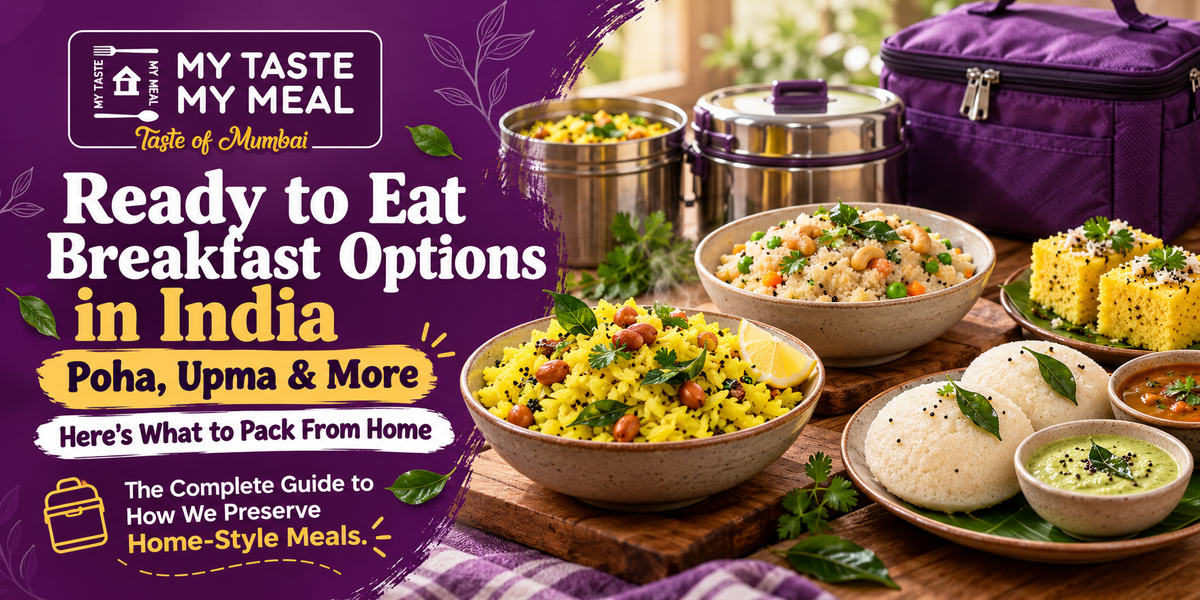
Ready to Eat Breakfast Options in India: Poha, Upma & More
Picture a Monday morning. The alarm rings late, the train leaves in 40 minutes, and the kitchen is the last place you want to be. Many people skip breakfast in that situation, or they grab something fried from a stall. A ready-to-eat breakfast gives you a third choice: a hot, familiar dish that needs a kettle and a few minutes, not a full cooking session. Here is what these packs are, which dishes work best, and how to pick one wisely. Let’s break it down.
What Is a Ready-to-Eat Breakfast?
This type of meal is a fully cooked or pre-prepared morning dish that you finish by adding hot water or by heating it for a short time. You do not chop, temper, or simmer anything. The pack already holds the cooked food, which is usually dried or dehydrated, so it keeps well on a shelf.
Most packs follow the same pattern:
-
Open the pouch and remove the oxygen absorber.
-
Add the listed amount of water.
-
Heat on a stove or in a microwave, or pour in boiling water.
-
Rest the dish for a few minutes.
-
Eat it warm, with a squeeze of lemon or a side of chutney.
The packets described below come from My Taste My Meal, a Mumbai-based brand that says it uses vacuum packaging, dehydration, and freeze drying. Its breakfast collection lists eight products at the time of writing.
Why People Reach for Breakfast-Ready-to-Eat Packs
Some people want speed. Others want a reliable meal in a place where cooking is hard. These are the common situations:
-
Hostel and PG living. Many students share a single induction plate or have no kitchen at all.
-
Early commutes. Workers who leave before 7 am rarely have time to cook.
-
Travel and treks. A light pouch weighs far less than a tiffin box.
-
Hospital stays and caregiving. Family members often need a simple meal near the ward.
-
Late-night and shift work. Breakfast sometimes happens at 3 pm or 2 am.
None of these situations need a long recipe. They need a dish that tastes like home and takes about five minutes.
Popular Ready to Eat Breakfast Options in India
India has a huge range of morning dishes, and many of them suit the dehydrated pack format. Rice flakes, semolina, and steamed batters rehydrate well. Here are six dishes from the My Taste My Meal breakfast collection.
Kanda Poha
Poha is a light Maharashtrian breakfast made from flattened rice. The Kanda Poha pack lists poha, refined oil, onion, green chilli, mustard seeds, cumin, salt, turmeric, sugar, coriander, and curry leaf. The pack weighs 85 g, needs 170 ml of water, and serves one. It costs ₹75 and carries a medium spice level.
Mumbai Upma
Upma comes from South India and uses roasted semolina (rava). The Mumbai Upma listing shows rava, sunflower oil, cashew, curry leaves, coriander, green chilli, asafoetida, cumin, and mustard seeds. The pack weighs 60 g and needs 190 ml of water. It also costs ₹75. The product page offers Regular, Jain, and Baby Food (90 gm) variants.
Idli Sambar
This pairing combines soft idlis with a toor dal sambar. The ingredient list includes tomato, calabash pumpkin, curry leaves, tamarind, jaggery, idli, rice flour, and urad dal. The Idli Sambar pack weighs 65 g and needs 275 ml of water, since the sambar needs more liquid. It costs ₹175. The page describes the idlis as light and easy to digest, and it suits breakfast, lunch, or dinner.
Mumbai Misal
Misal is a spicy Maharashtrian dish built on sprouted matki beans in a tangy curry, topped with farsan, coriander, and lemon. The 45 g Mumbai Misal pack needs 250 ml of water and costs ₹175. Heads up: the regular version lists onion, garlic, and potato, so check the Jain variant label if you avoid them.
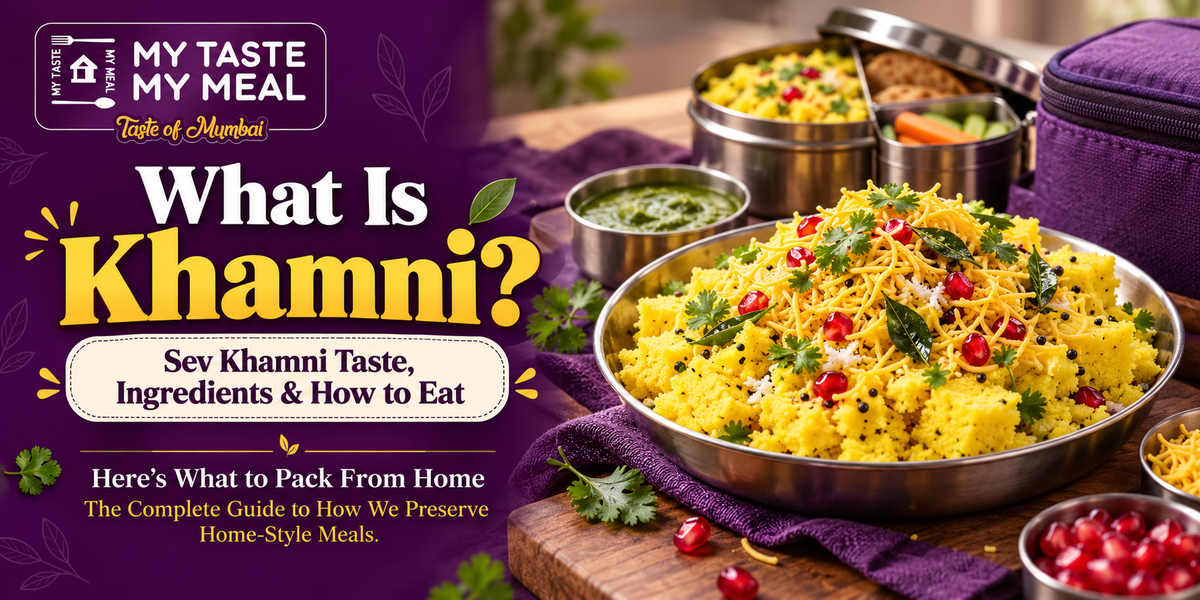
Sev Khamni
This Gujarati snack uses steamed chana dal, crumbled and topped with sev. The 80 g Sev Khamni pack costs ₹180 and needs 170 ml of water. It works well as a tea-time snack as well as a morning meal.
Dry Paper Dosa
The collection lists Dry Mysore Paper Dosa, Dry Cheese Paper Dosa, and Dry Butter Paper Dosa, each at ₹250. The Mysore version carries a medium spice level and a serving size of 2. Its best-before period is 3 months, shorter than the 12 months on the poha and upma packs. Read the individual page for each dosa before you order, because the details differ from the rehydrated dishes.
How to Choose Instant Breakfast Packets
Not every pack suits every person. Use this checklist before you buy.
-
Read the ingredient list. Look for onion, garlic, potato, dairy, nuts, and gluten if any of them matter to you.
-
Check net weight and water amount. A 45 g pack that needs 250 ml of water will taste different from an 85 g pack that needs 170 ml.
-
Compare serving size. Most packs here serve one. Hungry eaters may want two.
-
Note the shelf life. Twelve months suits stockpiling. Three months means you should eat sooner.
-
Match the spice level. Medium heat is common, so keep curd or chutney nearby.
-
Look for diet variants. Some pages offer Jain or baby food options.
-
Check the label for oil, sugar, and salt. More on this below.
How These Packs Prepare in Five Minutes
The product pages list three preparation methods. Here is how each works:
-
Stove: Boil water in a vessel, add the pack contents, cover, heat for 2 minutes, and let it rest for 3 minutes.
-
Microwave: Heat water, pour the contents into a bowl, cover, microwave for 2 minutes, and rest for 3 minutes.
-
Boiling water: Pour the contents into a bowl, add boiling water, cover, and wait 5 minutes.
Always remove the oxygen absorber first. Every pack carries a caution about it. The boiling water method needs only a kettle, so it works in hostels, hotel rooms, and offices. For shipping and storage questions, see the FAQs.
Are Instant Breakfast Packets Healthy?
This question deserves a straight answer: it depends on the pack and on how often you eat it.
The Indian Council of Medical Research and the National Institute of Nutrition (ICMR-NIN) released revised Dietary Guidelines for Indians in May 2024. The guidelines tell people to read food labels and to cut back on foods high in fat, sugar, and salt, including ultra-processed foods. The FSSAI also points out that fortifying a processed food does not make it healthy.
So use that advice when you shop:
-
Read the label. Check the oil, sugar, and salt on the pack you receive.
-
Treat packs as part of a day, not the whole day. Add fruit, curd, or nuts for variety.
-
Do not trust claims alone. A friendly front label is not the same as a good ingredient list.
The product pages in this collection list ingredients but do not show a nutrition panel. I will not guess at calories or protein here. Check the printed label on the pack, and talk to a doctor or dietitian if you manage a health condition.
Easy Ways to Round Out a Packet Breakfast
A pouch breakfast gets better with small additions:
-
Add a bowl of curd to cool medium spice.
-
Slice a banana or an apple for fibre and freshness.
-
Squeeze lemon over poha or upma.
-
Add a spoon of chutney. The brand sells coconut chutney and green chutney in its chutney range, each at ₹135 at the time of writing.
-
Keep a handful of nuts nearby if you want more staying power.
Jain and Baby Food Variants
Several packs on the site carry extra variants. Kanda Poha, Idli Sambar, and Mumbai Misal list regular and Jain options. Mumbai Upma lists regular, Jain, and baby food (90 gm). Jain households usually avoid onion, garlic, and root vegetables. Rules differ from home to home, so read the variant label before ordering. You can browse the full Jain collection to compare options. For infants, ask your paediatrician before introducing any packaged food, and see the baby food collection for what the brand offers.
Where to Buy Breakfast Ready to Eat Packs Online
If you want to try this style of meal, the breakfast collection at My Taste My Meal is a good place to start. It lists eight breakfast products, priced from ₹75 to ₹250. The listings include Kanda Poha, Mumbai Upma, Idli Sambar, Mumbai Misal, Sev Khamni, and three paper dosa options. The brand also sells dals, rice dishes, soups, chutneys, and Indian breads in other collections. Stock changes, so check the page for today’s availability.
Frequently Asked Questions
What is a ready-to-eat breakfast?
It is a pre-cooked morning dish, usually dried or dehydrated, that you finish with hot water or a few minutes of heat. You skip chopping and cooking. Poha, upma, and idli sambar are common examples sold in pouches.
How long do instant breakfast packets take to make?
Most packs take about five minutes. On the product pages, the stove and microwave methods use 2 minutes of heating plus 3 minutes of rest, and the boiling water method takes 5 minutes.
What is the best pack for travel?
Light pouches such as poha or upma pack easily and need only hot water. Check the net weight, water amount, and shelf life first. A kettle or a hotel room flask is usually enough to prepare them.
Do these packs have a long shelf life?
The Kanda Poha, Mumbai Upma, Idli Sambar, and Mumbai Misal pages list a best-before date of 12 months from packaging. The Dry Mysore Paper Dosa page lists 3 months. Always check the date on the pack you receive.
Can I eat packet meals every day?
Occasional use is fine for most people. For daily use, read labels for oil, sugar, and salt, and balance packs with fresh fruit, curd, and home-cooked meals. ICMR-NIN guidance advises limiting highly processed foods.
Final Thoughts and Next Steps
A good morning meal should fit your day, not fight it. A ready-to-eat breakfast will not replace your mother’s kitchen, and it does not need to. It fills the gap on rushed mornings, long journeys, and hostel evenings. Choose a dish you already love, read the label, and keep one eye on balance.
Next steps: pick one pack, test the boiling water method at home, and add a side of curd or fruit. If you like it, stock a few for busy weeks.