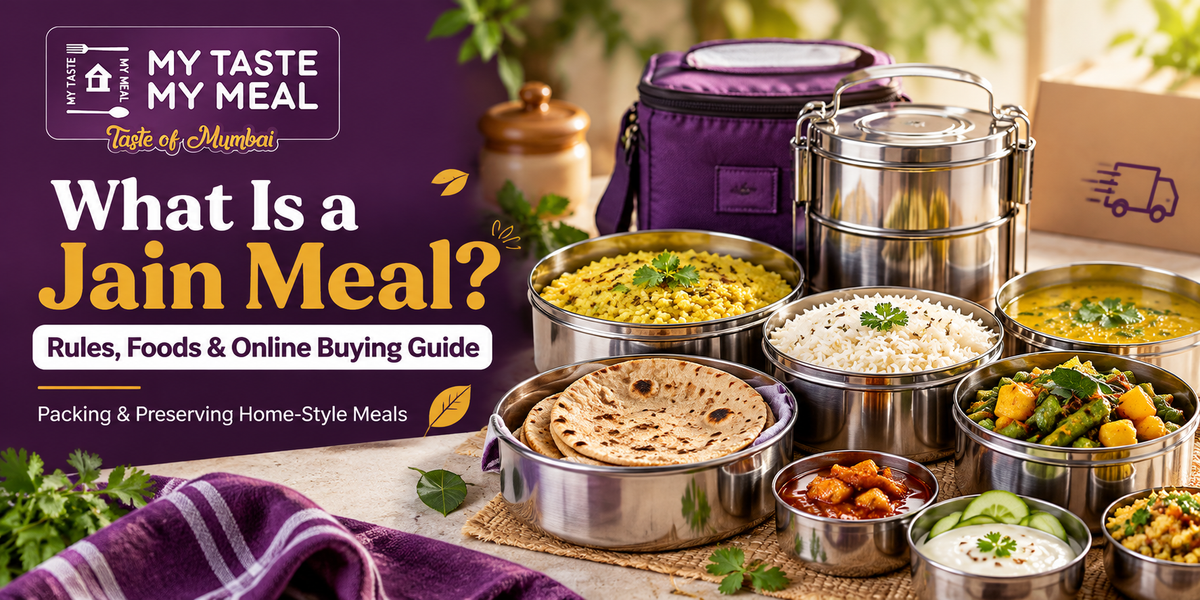
What Is a Jain Meal? Rules, Foods & Where to Buy Online
You have probably seen "Jain option" printed beside a dish on a menu. Maybe you are hosting a Jain friend and wondering what to cook. Or maybe you follow the diet yourself and want a dependable meal on a busy day. A Jain meal is a plant-based dish built on non-violence, and it leaves out meat, eggs, onion, garlic, and root vegetables. Here is why those rules exist and how you can follow them without stress. Let's break it down.
The Short Answer: What Counts as Jain Food?
This style of eating is strictly vegetarian and uses no meat, fish, eggs, honey, alcohol, or root vegetables. Most families also skip onion and garlic. Wikipedia's overview of Jain vegetarianism describes the diet as one of the most rigorous food frameworks in South Asia.
Here are the rules in a nutshell:
-
No meat, fish, or eggs.
-
No onion, garlic, potato, carrot, radish, or other root vegetables.
-
No honey and no alcohol.
-
Fresh ingredients, with spoilt or stale food left out.
-
Cooking and eating in daylight in households that follow the sunset rule.
One word ties all five rules together: ahimsa. It means non-violence, and it shapes what Jains buy, cook, and eat.
Why Jains Avoid Onion, Garlic, and Root Vegetables
Most people understand why a vegetarian skips meat. The root vegetable rule surprises them. Here is the reasoning.
Pulling a carrot or a potato out of the ground kills the whole plant. Picking a tomato, a gourd, or a handful of spinach leaves keeps the plant alive. Pew Research Center explains that Jain teachings treat eating a plant's root as a form of violence because it destroys the plant entirely. Many Jains also believe soil-grown vegetables shelter countless tiny organisms, which adds more harm.
The numbers show how common this practice is. In Pew's 2021 survey of nearly 30,000 Indians, 92% of Jains called themselves vegetarian, and 67% said they also avoid root vegetables such as garlic and onion.
Jains are not the only group that eats this way. Pew found that 21% of Hindus and 18% of Sikhs also skip root vegetables. So a no-onion, no-garlic dish often suits more people than you might expect.
Jain Dietary Rules: What Goes On and Off the Plate
Rules differ from home to home, but the broad picture stays consistent. Use these lists as a starting point.
Foods Jain Cooks Usually Avoid
-
Meat, fish, poultry, and eggs
-
Potatoes, onions, garlic, carrots, radishes, turnips, and similar underground vegetables
-
Eggplant in many households
-
Honey, because collecting it harms bees
-
Alcohol and, in strict homes, fermented foods
-
Food that has started to spoil
Some families also skip fresh ginger. Others make exceptions; the next family would never accept. Ask before you assume.
Foods Jain Cooks Usually Use
-
Rice, wheat, millet, and other grains
-
Lentils and beans such as moong, toor, and chana
-
Above-ground vegetables like cauliflower, cabbage, gourds, bell peppers, cucumbers, spinach, and green beans
-
Fruits, nuts, and seeds
-
Milk, paneer, curd, and ghee in most households
-
Spices such as turmeric, cumin, mustard seeds, and asafoetida
Dairy deserves a quick note. Traditional Jain practice does not treat milk products as a problem, so these dishes are vegetarian but often not vegan.
How Jain Cooks Build Flavour Without Onion and Garlic
Onion and garlic give many Indian gravies their depth. So what replaces them? Cooks lean on a handful of smart swaps:
-
Asafoetida (hing) brings a savoury, garlic-like punch.
-
Tomato and cashew paste thicken gravies and add richness.
-
Raw banana or pumpkin stands in for potato.
-
Tempered spices such as mustard seeds, cumin, and curry leaves layer on aroma.
-
Green chilli, coriander, and lemon add heat and brightness at the end.
Look at the ingredient list on the Jain Poha from My Taste My Meal, and you can see the method at work. It uses mustard seeds, cumin, turmeric, green chilli, curry leaf, and coriander. No onion, no garlic, and no potato.
Vegetarian Jain Meal vs. Regular Vegetarian Meal
A vegetarian Jain meal looks similar to a regular vegetarian plate until you read the ingredients. Here is the difference:
-
Regular vegetarian: May include onion, garlic, potato, carrot, and honey.
-
Jain: Removes all of those and often avoids fermented and stale ingredients.
Some restaurants across India offer Jain versions of popular dishes that leave out carrots, potatoes, onions, and garlic. Kitchen habits matter too. Pew reports that vegetarian Jains are the group least willing to eat at a restaurant serving both vegetarian and non-vegetarian food. If you cook for a strict Jain guest, use clean utensils and a clean pan.
Why Jain Rules Change From Family to Family
No single rulebook covers every household. Three patterns explain most of the variation.
The sunset rule. Many Jains follow Chauvihar, which means no food or water after sundown. Insects gather around light and food at night, so eating in daylight lowers the chance of harming them.
Holy days. During Paryushan and on certain days of the month, strict Jains also avoid green leafy vegetables, on top of the usual root vegetable rules.
Fermented foods. Some strict families avoid yoghurt, idli batter, and dhokla unless they are freshly made that day.
So when a friend says, "I eat Jain," ask what that means in their home. A short, kind question beats a wrong guess.
How to Choose Jain Food Online: A Simple Checklist
Shopping for Jain food online takes a little care because labels vary. Follow these steps:
-
Read the full ingredient list. Look for onion, garlic, potato, and other root vegetables, including powders and flavourings.
-
Check the product description. Trustworthy sellers state "no onion, no garlic" clearly.
-
Scan for honey, alcohol, and fermented ingredients if your family avoids them.
-
Ask about the kitchen. A seller should explain how they handle ingredients and packaging.
-
Compare shelf life, serving size, and spice level so the pack fits your plans.
-
Message the seller if your family follows extra rules, such as no green vegetables on certain days.
Next steps: keep this checklist open in a tab while you shop.
Where to Buy Pure Jain Meals Online
If you want ready-made options without cooking from scratch, My Taste My Meal is one option to look at. The Mumbai-based brand makes ready-to-eat Indian dishes using vacuum packaging, dehydration, and freeze drying. Its Jain collection lists 25 products, and the page describes them as no onion, no garlic meals with about five minutes of preparation.
The collection includes breakfast dishes, dals, rice dishes, curries, soups, and snacks. Product names on the page include:
-
Poha, Upma, and Idli Sambar
-
Dal Khichadi, Dal Fry, Dal Makhani, and Gujarati Dal
-
Veg Biryani, Tawa Pulao, and Schezwan Rice
-
Pav Bhaji, Mumbai Misal, and Chole
-
Paneer Tikka, Paneer Bhurji, and Mattar Paneer
-
Tomato Soup, Manchow Soup, and Sev Khamni
Prices on the collection page run from ₹75 to ₹230 per pack. Stock changes often, so check the page for what is available today. Each product has its own ingredient list, and you should read it against your family's rules before ordering.
What a Jain Pack Tells You: The Poha Example
The Jain Poha page shows what a good product listing looks like. It states these details:
-
Net weight: 85 g, with 170 ml of water added
-
Serving size: 1
-
Spice level: Medium
-
Ingredients: Poha, refined oil, green chilli, mustard seeds, cumin, salt, turmeric, sugar, coriander, and curry leaf
-
Shelf life: Best before 12 months from the date of packaging
-
Oxygen absorber: Remove it before preparing
You can prepare it on a stove, in a microwave, or with boiling water. The boiling water method takes about five minutes. That makes a pack easy to carry on a trip, keep at a hostel, or store for a rushed morning.
When Ready-to-Eat Packs Come in Handy
Cooking from scratch takes time and fresh produce. Ready-to-eat packs help in situations like these:
-
Travel. Long train rides and flights rarely offer Jain choices you can trust.
-
Living away from home. Students and young professionals often struggle to find compliant meals.
-
Busy mornings. A pack of poha or upma needs only hot water.
-
Visits to relatives or hospitals. A sealed meal removes guesswork.
None of these replace a home-cooked thali. They fill the gaps when home cooking is not possible.
Frequently Asked Questions
What is Jain food?
It is vegetarian food prepared according to Jain principles of non-violence. It excludes meat, fish, eggs, honey, alcohol, and root vegetables such as potatoes, onions, and garlic. Many families also follow daylight eating rules and avoid stale food.
Does Jain cooking use onion and garlic?
No. Jain cooking leaves out onion, garlic, and other underground vegetables because harvesting them kills the whole plant. Cooks use asafoetida, tomatoes, cashew paste, and tempered spices to build flavour. Always check the ingredient list on packaged food to confirm.
Is a Jain diet vegan?
Not always. Traditional Jain practice avoids meat, fish, eggs, and honey but allows dairy such as milk, paneer, curd, and ghee. A dish can be Jain and still contain milk products. Check the label if you need a fully vegan meal.
Why do Jains avoid eating after sunset?
Jains believe eating in the dark risks harming small insects that gather near light and food. Many follow Chauvihar, which means no food or water after sundown. Strictness varies, and some families eat their last meal before sunset.
How do I buy Jain food online with confidence?
Read the full ingredient list, look for a clear "no onion, no garlic" statement, and check shelf life and preparation steps. Contact the seller if your family follows extra rules. Brands like My Taste My Meal list ingredients on each product page.
Final Thoughts and Next Steps
Jain eating rests on one idea: cause as little harm as you can. The rules around root vegetables, honey, and daylight eating all grow from that idea. Families apply them differently, so ask before you cook for a guest and read labels before you buy.
Ready to start? Begin with your own rules, run through the checklist above, and browse a Jain collection such as the one at mytastemymealstore.com when you want pure jain meals online.
Related Reading